Small business vendors working around Naivasha during the 2026 WRC Safari Rally reported an increase in sales as thousands of spectators travelled to rally stages in the lakeside town, according to a media statement shared for publication. Traders interviewed in the statement said the event created a seasonal surge in demand for merchandise and food, while mobile credit and digital payments helped them manage stock and transactions.
The Safari Rally, which returned to Kenya in 2021, has become a recurring commercial peak for micro and small enterprises that follow the circuit to Naivasha. The statement describes vendors travelling from towns including Nakuru, Nairobi, Thika and Kiambu to set up temporary stalls near spectator stages such as Sleeping Warrior, Kedong and Hell’s Gate.
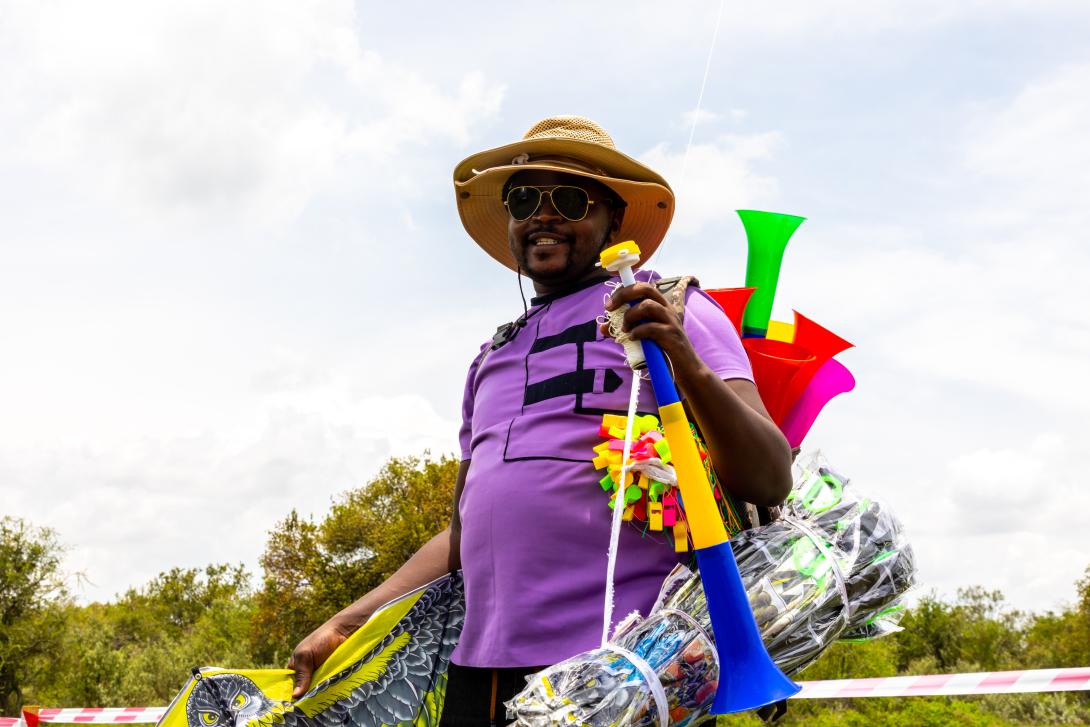
Ayub Mwangi, a tailor based in Nakuru, said he shifts to selling rally-related merchandise during the event, including kites, vuvuzelas and hats. “I have never missed a rally since it returned to Kenya in 2021,” Mwangi said. “Every year I travel to Naivasha because the business here is good. I cannot say exactly how much I make each day, but I always go home happy. A single kite sells for around KES 500, which is more than I might make in a day from tailoring.”
Mwangi said he used a Taasi Pochi loan to increase working capital ahead of the rally. “I needed extra capital to buy enough merchandise for the crowds, so I took a Taasi Pochi loan to boost my business since I didn’t have sufficient funds for stock. The support has truly paid off,” he said.
The statement said Taasi Pochi is a type of Pochi La Biashara loan that allows Safaricom merchants to access instant credit of between KES 1,000 and KES 250,000, available via *USSD 334# or the M-PESA app, with repayment periods of seven, 14 or 30 days.
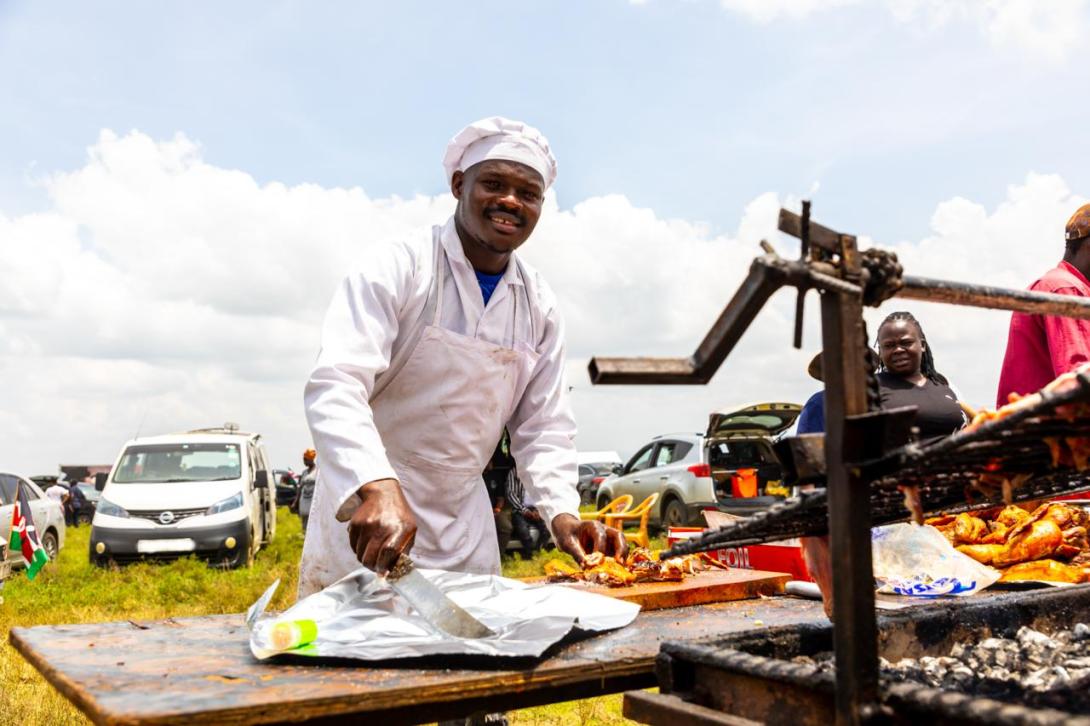
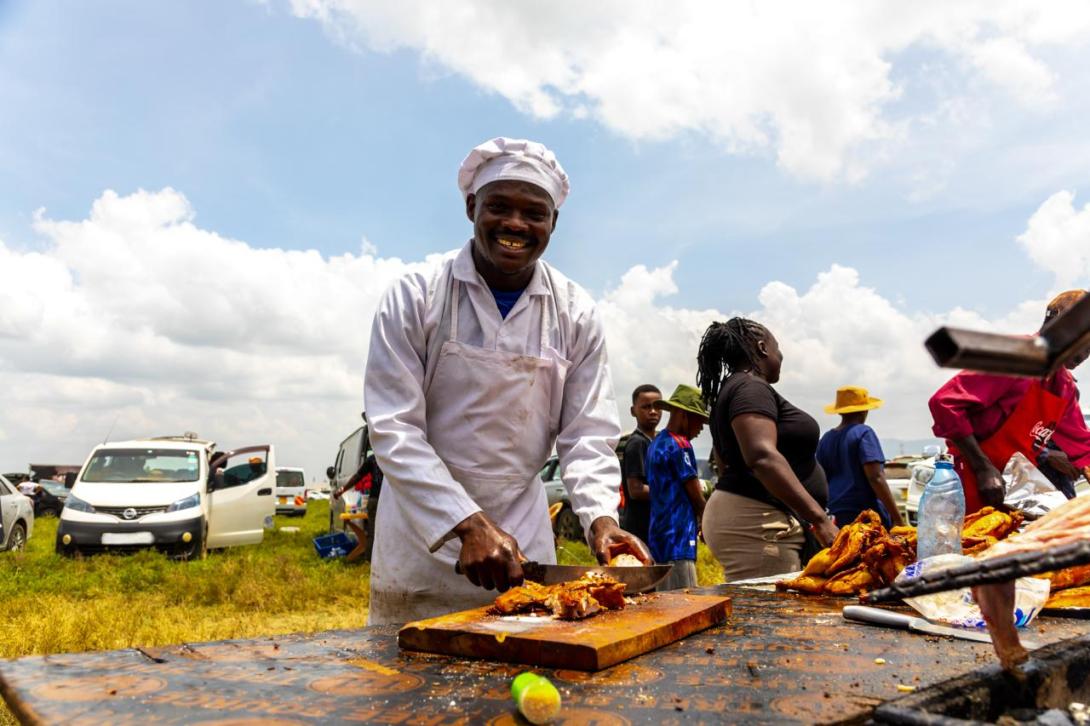
Food vendors also reported stronger demand at key stages. Maria Wanjiru, who runs Shiro Nyama Choma in Roysambu, Nairobi, said she changed her product strategy after an earlier attempt selling soft drinks. “This is my second year coming to the rally,” Wanjiru said. “Last year I tried selling sodas and it did not work very well. This year I decided to focus on nyama choma and the response has been amazing.”
Wanjiru said she relied mainly on M-PESA payments. “At this event, I am mostly using Lipa Na M-PESA, specifically Buy Goods. It makes business smoother because customers can pay quickly, and I don’t have to worry about looking for change when things get busy,” she said. Her assistant, Job Ogamba, attributed the stronger trade to higher footfall. “The turnout has been incredible,” Ogamba said. “There are so many people coming through the stages. Events like this really create opportunities for small traders.”
For younger traders, the rally offered an alternative income channel. Ian Juma, a 25-year-old from Thika, said he paused boda boda work to operate a mobile snack cart selling smokies, boiled eggs, tea and soda. “In Thika I sell a smokie or egg for about KES 25, but here the demand is much higher,” Juma said, adding that he moved between stages to follow the crowds.
Not all vendors experienced peak-year gains, according to the statement. Joel Macharia of Linkers Butchery in Kiambu said business was “steady” compared with earlier years but still beneficial for traders. “Some of my friends have done extremely well this year,” Macharia said. “Large events like this always bring opportunities.” He added that digital payments were increasingly important for security and convenience in crowded environments.
For Kenya’s business landscape, the rally’s spillover effects underscore how major sports and tourism events can support micro-enterprises through temporary jobs, logistics demand and cashflow for informal traders. The emphasis on mobile credit and digital acceptance also highlights the role of fintech tools in helping small merchants handle short, high-volume trading windows—particularly when working capital constraints limit the ability to stock in advance.
Looking ahead, traders interviewed in the statement indicated the rally weekend is now built into their annual planning, from early travel and site selection to financing and payment setups. As the WRC Safari Rally continues on Kenya’s calendar, Naivasha is likely to remain a focal point for seasonal enterprise tied to spectator-driven spending.
Photo Gallery