Google has selected four Kenyan startups—Comana, Duck, ReportsAI and VunaPay—to join the 10th cohort of the Google for Startups Accelerator Africa, the company said in a press release dated April 21, 2026 in Nairobi.
According to Google, the Kenyan firms were picked from nearly 2,600 applications as part of a final pan-African group of 15 companies, implying an acceptance rate of less than 1%.
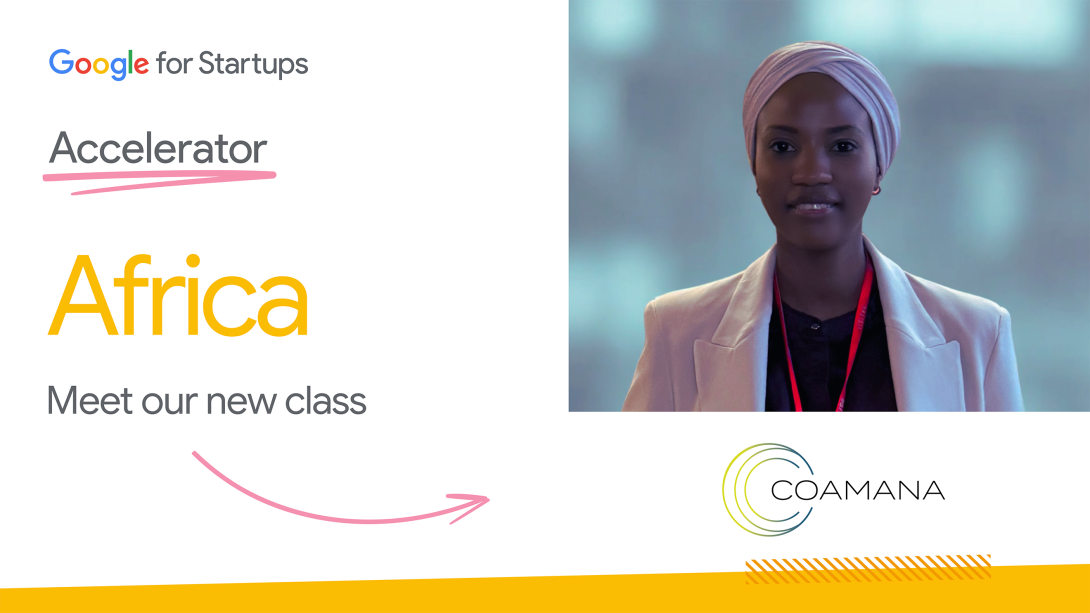
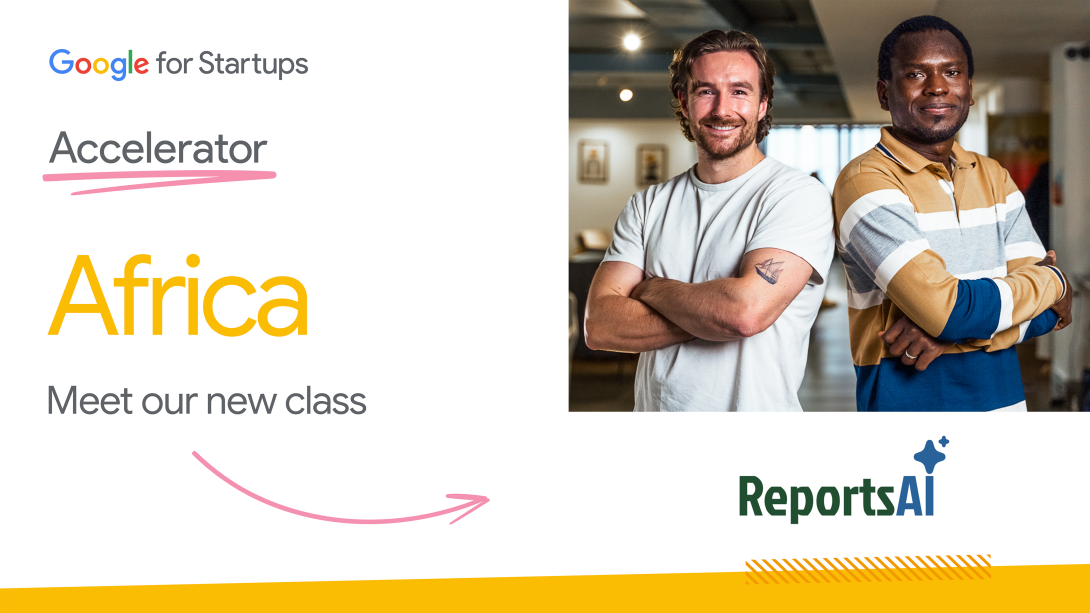
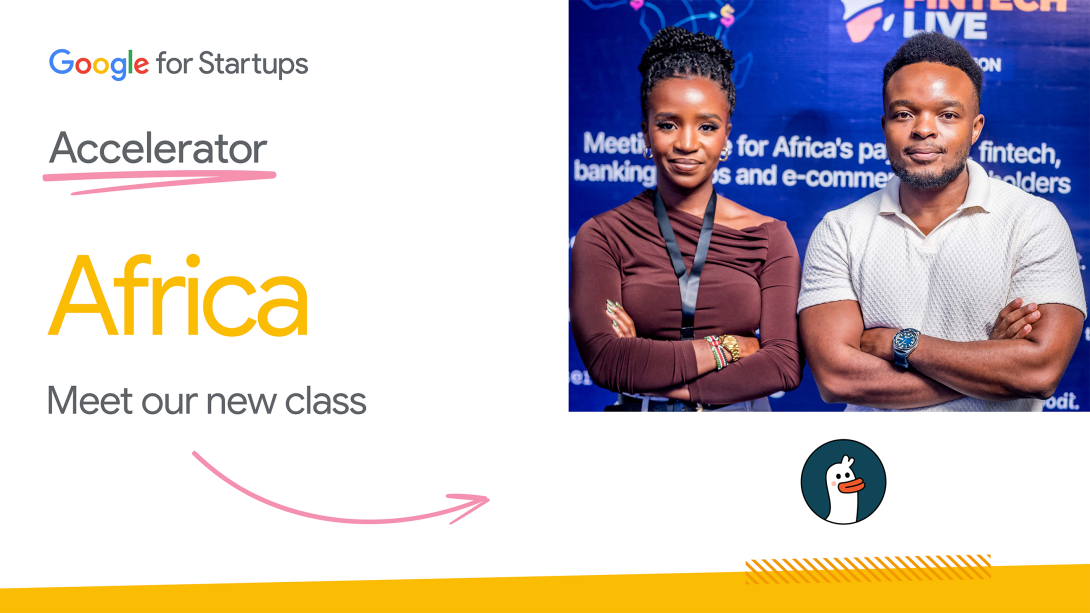
The selected Kenyan startups apply artificial intelligence across supply chains, data reporting and financial services. Comana builds technology aimed at helping governments and market associations digitise informal food markets. Duck operates a real-time data intelligence platform designed to give consumer brands shop-floor visibility to help prevent stockouts. ReportsAI provides an “AI-first” platform that it says helps impact organisations convert raw data into compliance-ready reporting. VunaPay builds fintech and data infrastructure for cooperatives, with a focus on instant payments and financial services for smallholder farmers.
The announcement comes as Kenya’s startup sector continues to position itself as a hub for fintech, logistics and enterprise software in East Africa, while investors increasingly scrutinise pathways to revenue and scalability. Google said the wider African venture ecosystem raised $3.9 billion (about KES 507.0 billion) in 2025, underscoring ongoing capital availability despite tougher global fundraising conditions. The company argued that deep-tech and AI-focused startups still require access to technical infrastructure, cloud capabilities and mentorship to scale.
Hafsah Jumare, CEO of Nairobi-based Comana, said the accelerator would support the company’s efforts to expand its market data product to more locations. “Most food trade across Africa happens in traditional markets, but these markets remain largely invisible and unsupported. With MarketView, we’re building infrastructure to make them visible, using AI to interpret real-time data so businesses and governments can actually see what’s happening and act on it,” Jumare said. “Through the accelerator, we’re focused on scaling this across more markets and strengthening the underlying data systems and integrations that make this intelligence usable at scale.”
Google said the programme will run from April 13 to June 19, 2026 in a hybrid format, offering mentorship and technical workshops focused on AI and machine learning.
Folarin Aiyegbusi, Head of Startup Ecosystem, Africa, said Google’s intent is to support founders with technical resources and networks as they scale. “We are absolutely thrilled to welcome these exceptional founders into Class 10,” Aiyegbusi said. “Our role is to serve as a supportive partner, providing these developers and founders with the technical infrastructure, mentorship, and global network they need to scale their solutions and amplify their real-world impact.”
For Kenya, participation by four firms signals continued alignment between local startup activity and enterprise and public-sector demand, particularly in digitising informal markets, improving retail availability, strengthening reporting and compliance, and expanding cooperative-based financial services. These areas remain central to productivity and resilience in the Kenyan economy, where informal trade and smallholder agriculture employ large segments of the workforce.
Google said that since the accelerator launched in 2018, it has supported 106 startups across 17 African countries, which the company says have collectively raised more than $263 million (about KES 34.1 billion) and created more than 2,800 jobs.
The next milestone for the cohort will be completion of the programme in June 2026, after which participating startups typically pursue follow-on fundraising, partnerships, and expanded commercial deployments based on product and technical improvements developed during the accelerator.
Photo Gallery