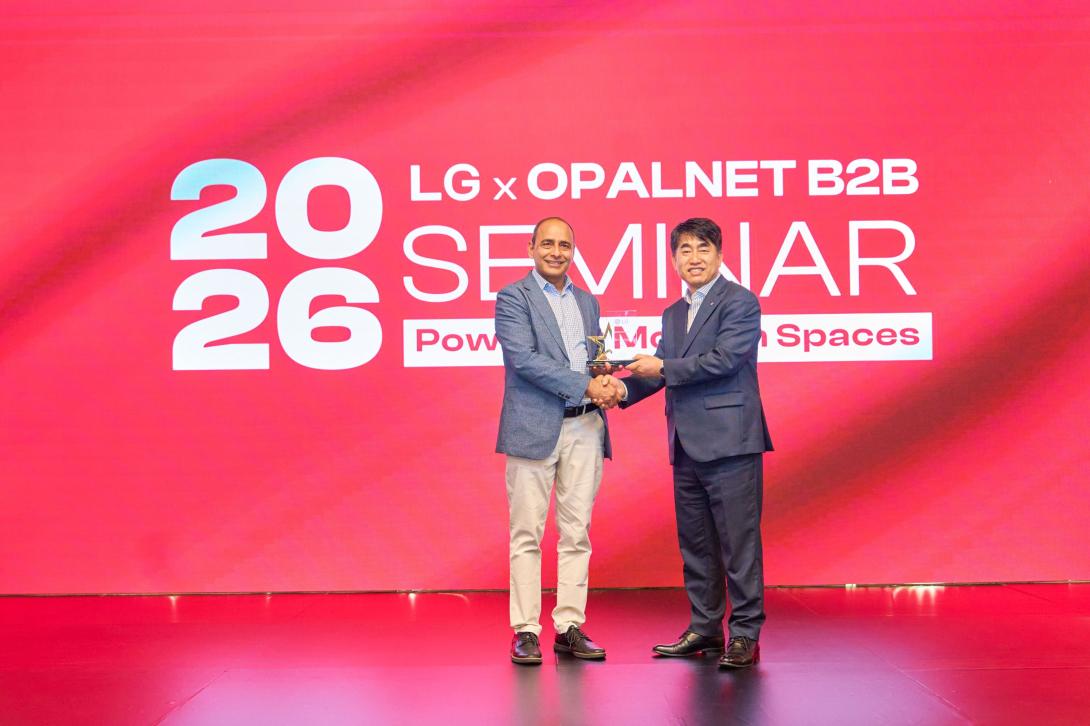
LG Electronics East Africa and its regional distribution partner Opalnet have unveiled a new portfolio of commercial technology solutions targeting enterprises across East Africa, the companies said on July 8, 2026 in Nairobi.
According to the press release, the offering is aimed at operational needs in sectors including commercial real estate, logistics, hospitality and public sector infrastructure, as the companies seek to expand their business-to-business (B2B) footprint in the region.
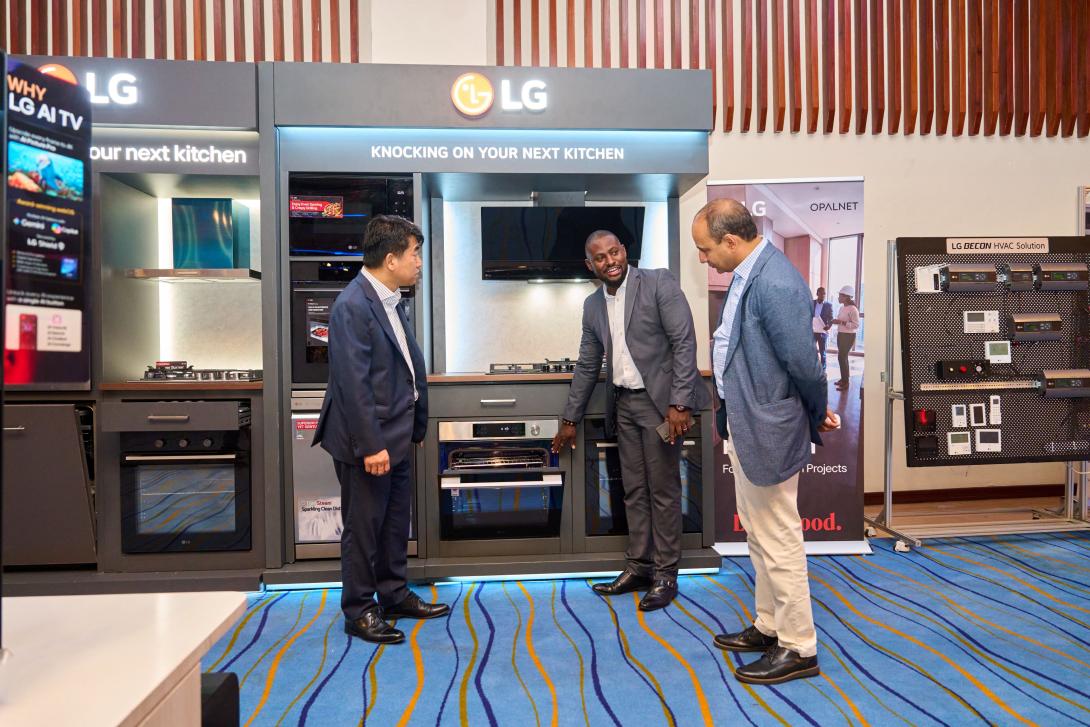
The portfolio includes built-in kitchen appliances, commercial heating, ventilation and air conditioning (HVAC) systems, commercial laundry equipment, cold-chain and retail storage products, and large-format commercial displays. LG said the HVAC line-up features Variable Refrigerant Flow (VRF) systems, Multi V™ technologies and intelligent building climate management tools that are designed to reduce energy consumption. The release also cited high-capacity washers and dryers intended for hotels, hospitals, serviced apartments and institutional facilities, as well as high-efficiency chest freezers for large-scale retail and cold-chain operations. The display range mentioned in the release includes a 100-inch QNED commercial screen.
The launch was introduced to developers, engineers, B2B product distributors and other professionals during what the company described as a dinner showcase in Nairobi.
Jane Kariuki, Marketing Lead at LG Electronics East Africa, said the company is positioning its enterprise offering around partnerships and support for corporate buyers. “We are trying to help our B2B partners grow their businesses. We totally understand that some of them may not have the financial capability, but we want them to know that, with Opalnet, they have good financial partnerships with key players in the industry,” Kariuki said, according to the press release.
She added that LG intends to support customers beyond procurement. “We also want them to understand that we have the technology to back them up in terms of after-sales training and that we will walk with them and grow together,” Kariuki said.
Opalnet Managing Director Rakesh Singh said product performance in commercial settings depends on local execution and support. “The integration of LG’s engineering capabilities with Opalnet’s regional distribution network reflects a broader trend across East African markets, where corporate buyers are increasingly prioritizing long-term life-cycle support and operational reliability over baseline procurement costs,” Singh said. He added that “most of LG’s latest products are AI integrated” and that Opalnet is working with LG “to make sure that these technologies are available to Kenyans.”
Under the partnership, Opalnet will provide technical consultation, installation support, preventive maintenance and after-sales service, the companies said. The release stated that the local support model is expected to accelerate adoption among businesses building new facilities or upgrading existing ones.
The announcement comes as Kenyan property developers, hospitality operators and logistics firms increasingly prioritise energy management and maintenance reliability to manage operating costs, particularly in large facilities such as hotels, hospitals, warehouses and retail chains. For suppliers, the ability to offer installation capacity, spare parts availability and service coverage has become a key differentiator in winning enterprise contracts—often alongside financing arrangements that help spread upfront capital expenditure.
Looking ahead, LG and Opalnet indicated that the focus will be on deployment and support, including addressing “last-mile logistical and technical support challenges” that can slow the adoption of advanced hardware, according to the press release.
Photo Gallery