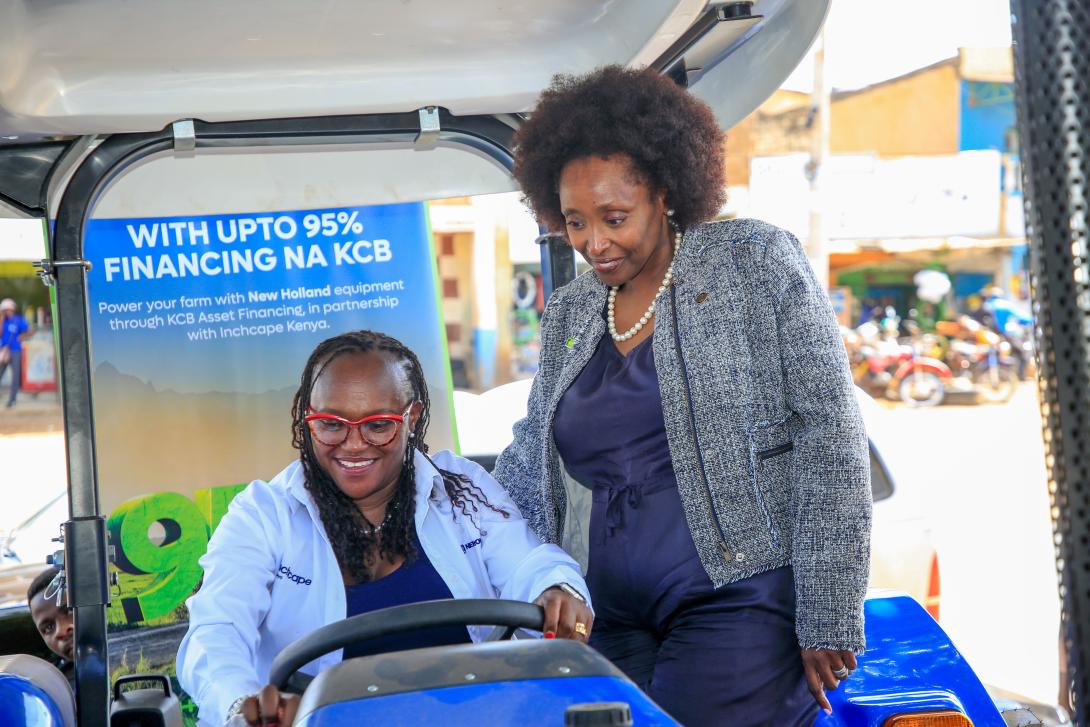
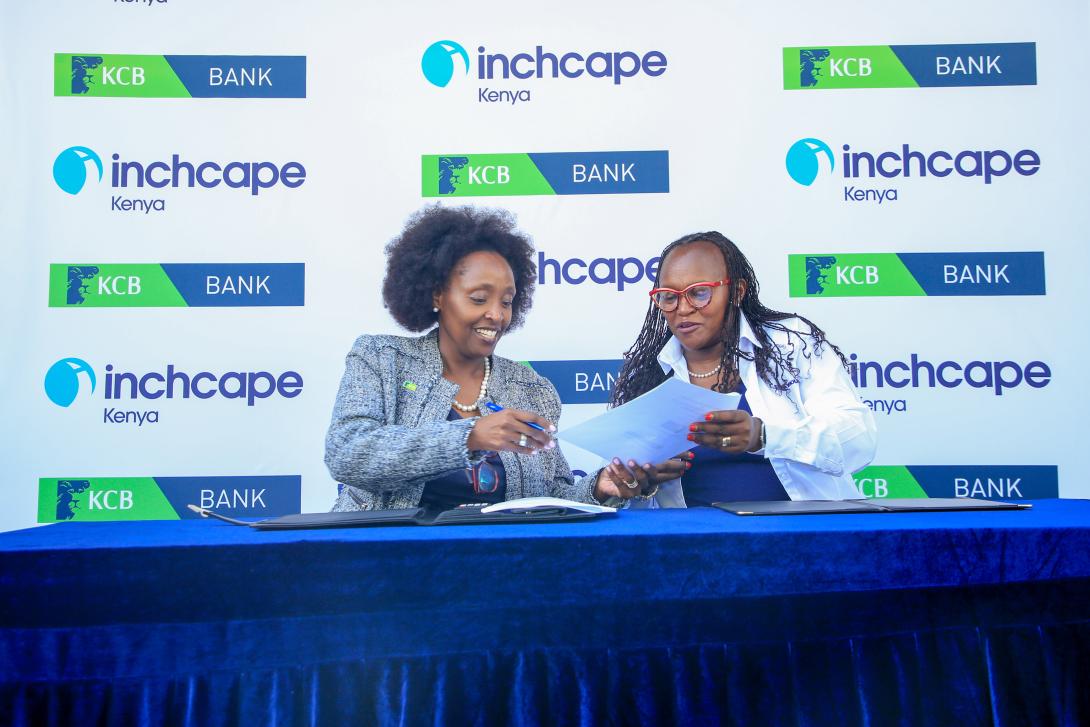
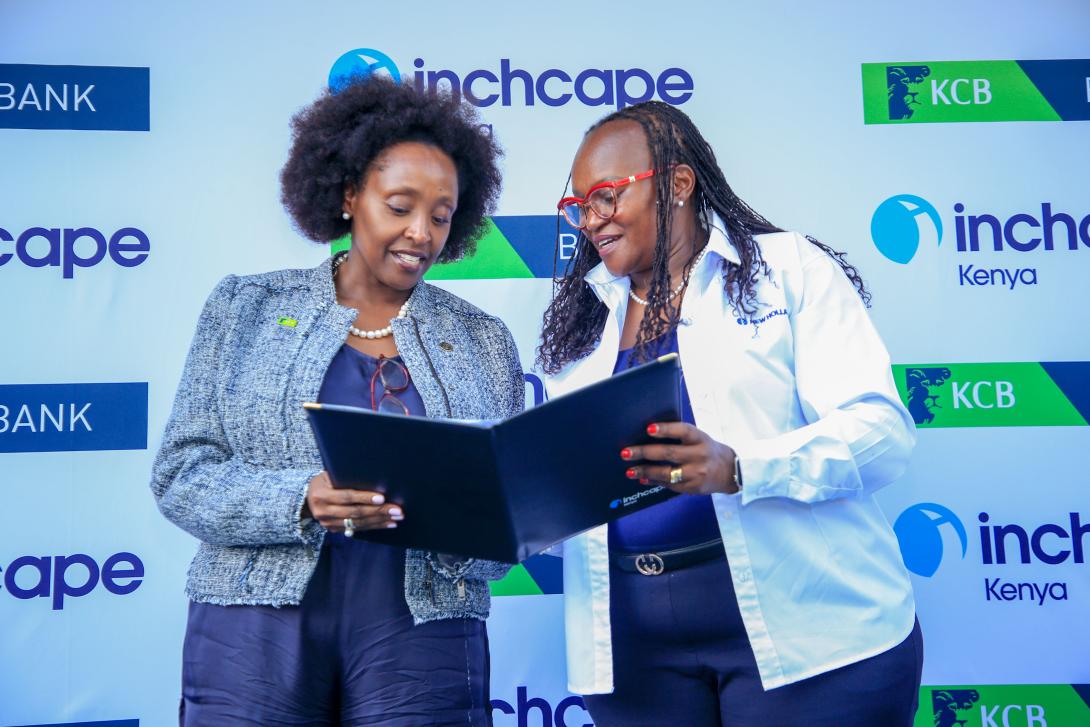
KCB Bank Kenya and Inchcape Kenya have entered into a partnership to provide farmers with asset financing for New Holland tractors and related agricultural implements, in a move the firms say is designed to accelerate mechanisation in Kenya’s agricultural sector.
The agreement, announced on June 16, 2026, will allow customers to access up to 95% financing, with repayment periods of up to 60 months, according to a joint statement from the two companies.
Under the arrangement, borrowers will be able to choose between monthly repayments or seasonal schedules aligned to harvest cycles. Farmers who opt for monthly payments will receive a 60-day repayment holiday from the date the tractor is released, the companies said. The statement added that all financed tractors will be insured through KCB Bancassurance, while the interest rate was described as “competitive” without disclosing pricing details.
The partnership links one of Kenya’s largest lenders with a distributor of automotive and heavy machinery, at a time when agribusinesses and commercial farms are seeking productivity gains amid rising input costs and pressure to increase yields. Mechanisation—particularly access to tractors and modern implements—remains a constraint for many farmers due to high upfront purchase costs, limited collateral and repayment profiles that do not always match seasonal cash flows.
In remarks included in the press release, Marion Gathoga Mwangi, Managing Director of Inchcape Kenya, said the partnership is structured to connect financing with productivity objectives in the sector. “Through this collaboration, we are not just offering financing but driving mechanization, which remains a key pillar in increasing agricultural productivity and efficiency. When farmers have access to modern, reliable machines, their yields rise, their costs reduce, and their work on the farm becomes more rewarding,” she said.
Peter Ng’eno, Director of Corporate Banking at KCB Bank, said the lender is positioning the product around the realities of farm income cycles. “By matching repayment schedules to the realities of farming, we are removing barriers that have long held back mechanization as a way of empowering farmers to boost productivity and improving their livelihoods,” Ng’eno said.
The deal adds to an expanding set of equipment-financing partnerships in Kenya, where lenders are increasingly working with dealers and manufacturers to structure asset finance that includes bundled insurance and after-sales support. For farmers and agribusinesses, such partnerships can shorten acquisition timelines and reduce the cash requirement for machinery purchases, though total borrowing costs ultimately depend on the undisclosed interest rate, fees and insurance terms.
For KCB, the agreement is another push in agricultural and SME lending, leveraging its branch and agency network to distribute specialised credit products. For Inchcape Kenya, it provides a financing route that could support higher uptake of New Holland tractors, particularly among commercial farmers and organised agribusiness customers.
Next, the companies are expected to roll out the financing offer through their respective customer channels, with uptake likely to depend on product pricing, borrower eligibility requirements and the speed of approvals. The firms did not disclose target volumes for financed tractors or the total value of the programme.
Photo Gallery