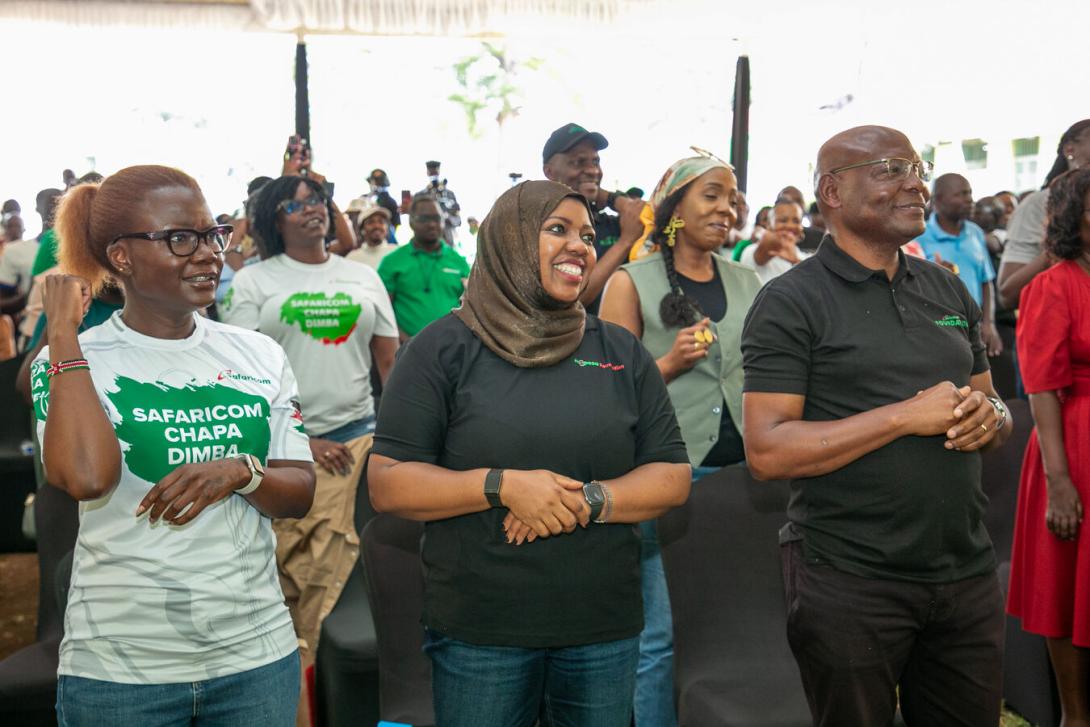
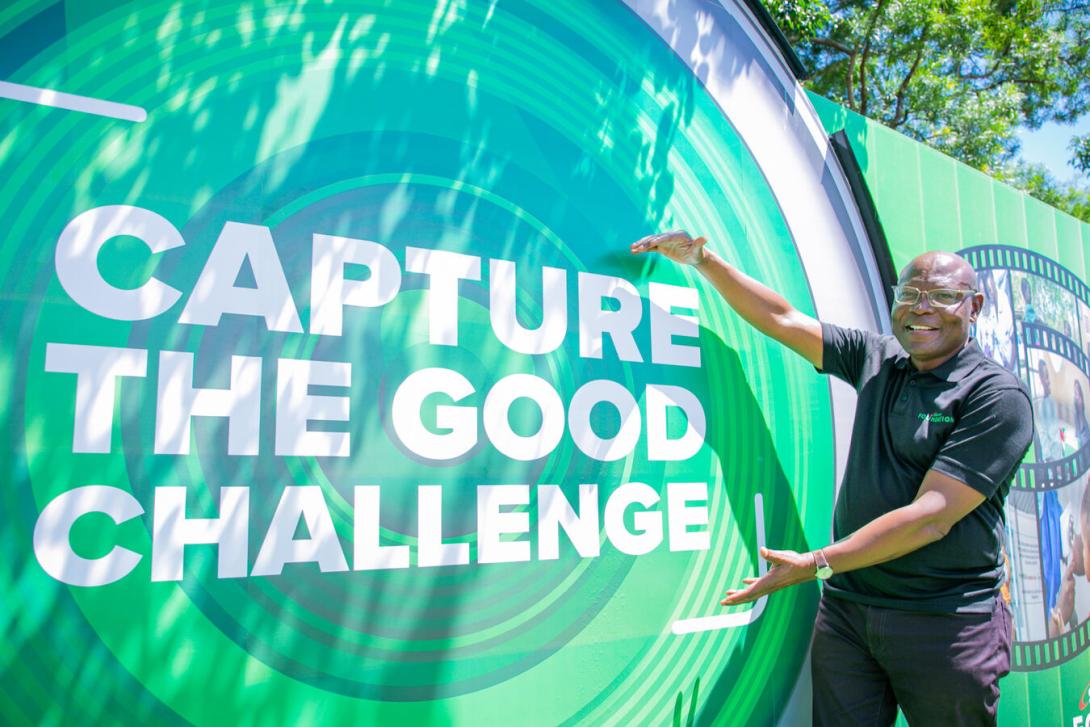
Safaricom, through its foundations, has launched “Capture the Good”, a national photography and videography challenge that will invite creators to document community projects in education, health, economic empowerment and environmental conservation, the company said on May 12, 2026 in Nairobi.
According to the press release, entries are open at https://capturethegood.safaricom.co.ke/ until May 30, 2026. Participants will select from 250 projects, visit project sites and produce visual stories showing the projects’ impact. The initiative is being run in partnership with the Photographers Association of Kenya (PAK) and the Photojournalists Association of Kenya (PJAK), with Vivo named as the mobile photography partner.
The programme outlines a multi-stage judging process. Safaricom said submitted work will be reviewed by a judging panel, which will select 90 regional winners for a masterclass. After refinement and resubmission, a second judging round will produce 18 national winners whose work will appear on the Capture the Good website.
Safaricom Group Chief Executive Officer Peter Ndegwa said the company was seeking to use creators’ perspectives to document community change. “We live in a visual world, often enhanced by a photo or a video, building believability, relatability and connections, while allowing the rest of society to live through these stories. These platforms enable us to share stories of transformation, while humanizing the spaces where we serve our communities. We rea now looking to see these stories of impact through their lens,” Ndegwa said.
Safaricom said the challenge will also include public voting. It stated that three winners in each category will be awarded photographer and videographer of the year prizes, with cash awards of KES 1 million for first place, KES 750,000 for second place and KES 500,000 for third place. The press release added that total rewards will amount to KES 20.4 million, including cash prizes, airtime, vouchers and merchandise, alongside data offers intended to support submissions.
The competition is scheduled to run until August 14, 2026, when Safaricom said it plans to crown winners and stage an exhibition of selected works.
The launch also included an education infrastructure announcement. Safaricom said the M-PESA Foundation broke ground for an ICT laboratory at Kisumu Boys’ High School valued at KES 12.5 million, which it said would support learning and innovation for more than 1,800 learners.
For Kenya’s creative economy, the challenge is likely to intensify competition around documentary-style content tied to development programmes and corporate social investment, while strengthening links between creators and institutional funders. The involvement of PAK and PJAK also suggests an emphasis on technical standards and journalistic approaches as creators seek to translate field visits into publishable photo and video narratives.
Next milestones include the May 30, 2026 submission deadline, the regional shortlisting and masterclasses, followed by final judging and public voting ahead of the planned August 14, 2026 awards and exhibition, according to Safaricom.
Photo Gallery