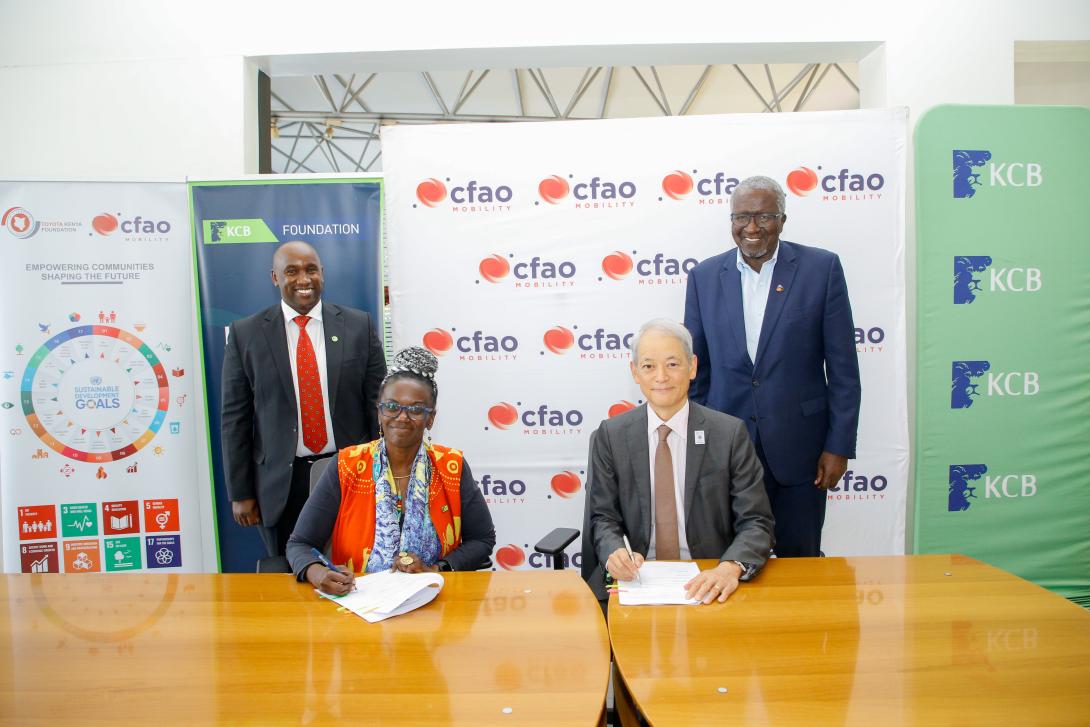
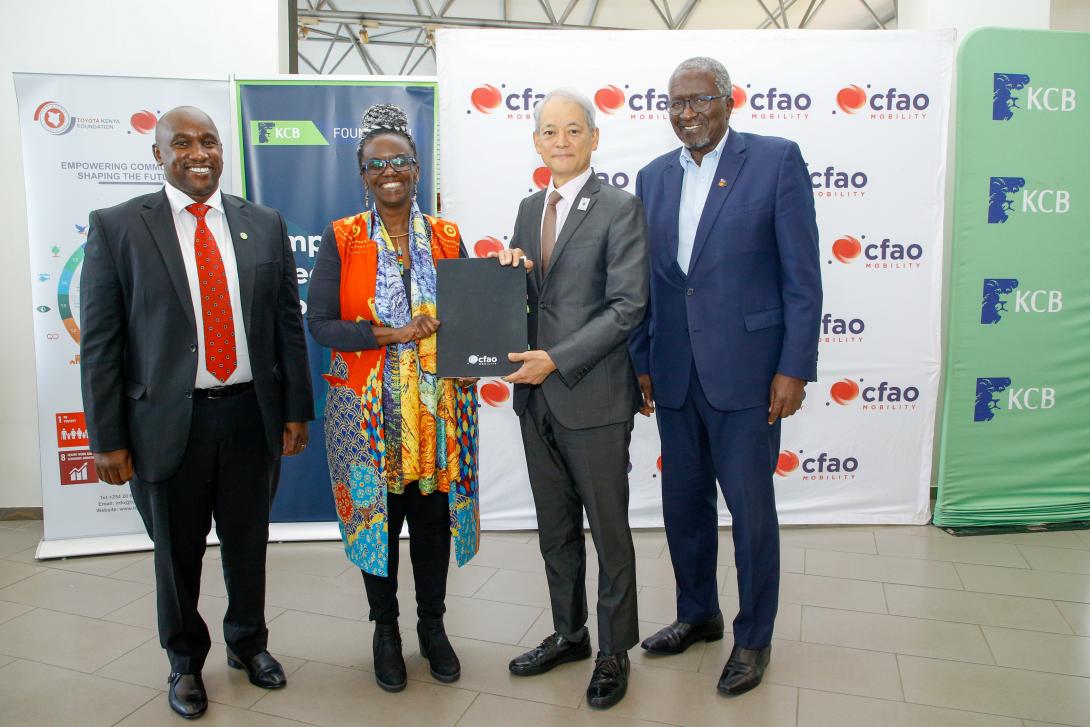
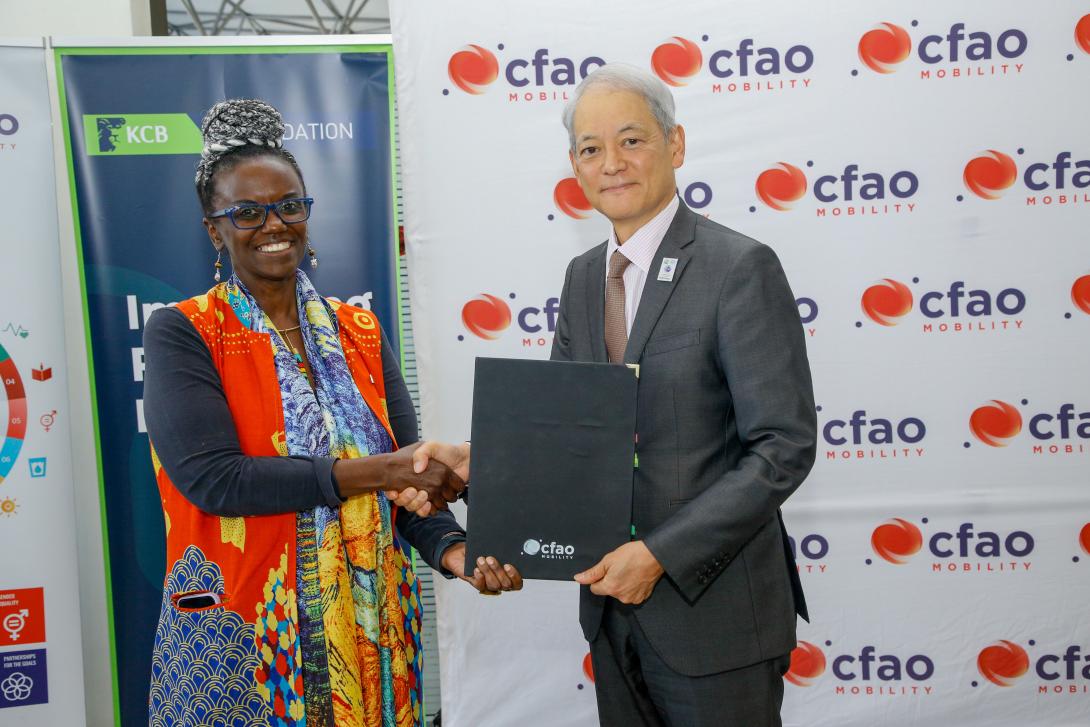
KCB Foundation and CFAO Mobility Kenya have signed a strategic Memorandum of Understanding (MoU) to collaborate on skills development and enterprise support for young people in Kenya’s automotive and emerging e-mobility segment.
The agreement, signed on July 21, 2026 at CFAO offices on Lusaka Road in Nairobi, will support training for 200 young people—100 each from KCB Foundation and CFAO Mobility Kenya—through technical and vocational programmes at the Toyota Kenya Academy beginning in January 2027, according to a statement issued by the partners.
The initiative will combine technical training with entrepreneurship support, financial inclusion initiatives and market access opportunities, as the organisations seek to link skills development with employment and enterprise creation in the mobility sector.
The partnership comes as Kenya’s transport and logistics ecosystem expands and the country records rising interest in electric mobility solutions, including electric motorcycles and vehicles, which are creating demand for new technical skills across maintenance, diagnostics and fleet operations. For lenders and corporate players, the shift has also opened opportunities to structure financing products and supply-chain linkages for small businesses servicing mobility value chains.
Speaking during the signing ceremony, KCB Foundation Managing Director Mendi Njonjo said the partnership is intended to align training with changing labour market needs. “The future of work is changing rapidly, and partnerships such as this enable us to equip young people with practical, industry-relevant skills that respond to market needs,” Njonjo said. She added: “By combining technical training with entrepreneurship development, financial literacy, access to finance and market linkages, we are creating a pathway for young people and women to build sustainable businesses and secure meaningful employment within the mobility sector.”
Under the MoU, the organisations said they will jointly deliver technical and automotive training, including specialised programmes in electric mobility. They also plan to support youth- and women-owned enterprises operating within the mobility value chain through business incubation, mentorship and financial literacy programmes.
The partners said qualifying entrepreneurs will be considered for tailored asset financing solutions for vehicles, motorcycles and equipment. They will also have opportunities to connect with Toyota and CFAO’s supply chain ecosystem, “subject to applicable procurement and compliance requirements,” the statement said.
CFAO Kenya Managing Director Akira Wada said the collaboration targets talent development and stronger industry linkages. “As the mobility sector continues to evolve, we have a responsibility to prepare young people with the technical competencies required for the future,” Wada said. “Through this partnership, we are investing in talent development, supporting innovation in e-mobility and creating stronger connections between training, industry and employment.”
For Kenya’s labour market, the programme signals a growing role for private-sector-led training pipelines that connect technical academies with industry. If implemented as outlined, the collaboration could expand the pool of technicians and entrepreneurs able to participate in automotive services and the e-mobility ecosystem, while also increasing demand for structured financing products tied to productive assets such as motorcycles, vehicles and workshop equipment.
The next milestone is the start of training at the Toyota Kenya Academy in January 2027. The partners have not disclosed the financial value of the programme, selection criteria, or how the participants will be distributed across courses, but said the programme will focus on employability and enterprise development within Kenya’s mobility sector.
Photo Gallery