Business

KCB Volleyball returns to KVF League with four-match run at Nyayo Stadium

KCB Volleyball returns to KVF League with four-match run at Nyayo Stadium

3 min read
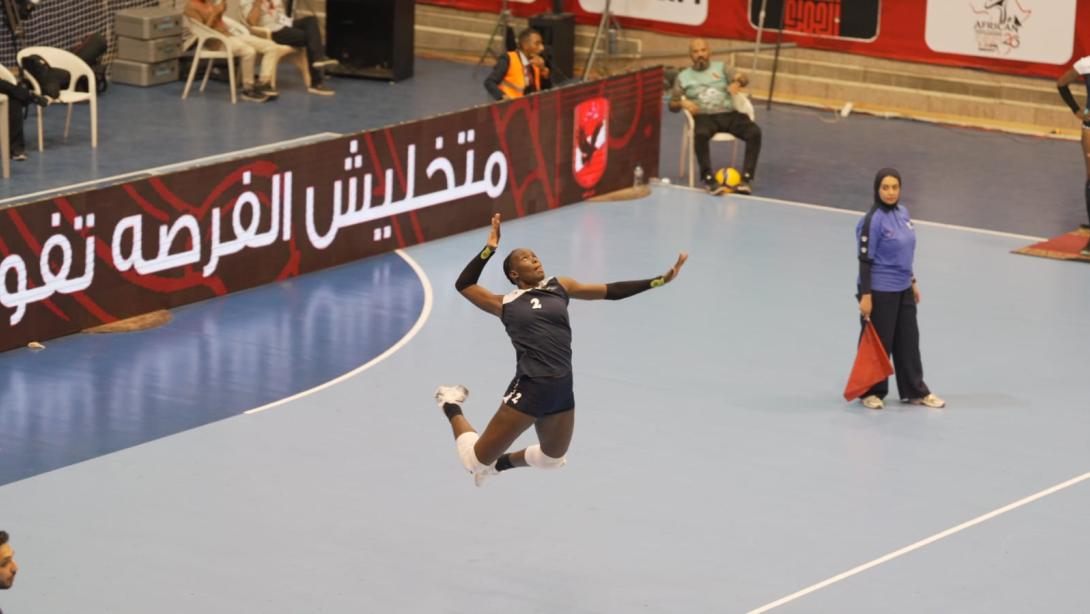
KCB Volleyball Ladies will return to Kenya Volleyball Federation (KVF) League action with a four-day run of fixtures at Nyayo Stadium in Nairobi, starting Thursday, May 7, 2026, where they are scheduled to play Post Bank, Kenyatta University, A-Plus VC and Kenya Army.

In a press release dated May 6, 2026, the club said the first match will be against Post Bank on Thursday evening, followed by a Friday noon encounter with Kenyatta University. The team will then face A-Plus VC on Saturday morning before closing the sequence with a Sunday afternoon match against Kenya Army.

The domestic fixtures come weeks after KCB ended its continental campaign as silver medallists at the 2026 Africa Club Championship in Egypt. The club said it lost the final to Egypt’s Al Ahly and will now redirect its efforts to local competition, including the KVF League and the Kenya Cup Volleyball Tournament.

The return of KCB’s volleyball programme to local action places renewed attention on corporate-backed sports teams in Kenya, where banks and other large employers have historically played a significant role in sustaining elite clubs. Beyond branding considerations, such programmes can influence sports-related spending—from match-day logistics to equipment procurement and player welfare—while also contributing to the visibility of domestic leagues.

Speaking ahead of the matches, KCB Volleyball Ladies captain Mercy Moim said the team intends to apply lessons from the Africa Club Championship campaign to domestic competition. “We had an impressive run in Egypt, and I believe we have a few lessons that we have picked along the way that we would wish to emulate in the local league. The squad is strong and we are looking forward to an impressive run throughout the week,” Moim said.

The club said the squad blends youth and experienced players and will use the disappointment of the continental final as motivation in the domestic run-in.

Head coach Japheth Munala said the technical bench is working to address issues identified during the continental tournament. “We have what it takes to go for the local titles. We are working with the ladies to fix the gaps we have noticed while in Egypt and once we close on this, we will be ready to go for anything,” Munala said.

For the Kenyan volleyball market, KCB’s packed schedule offers an immediate measure of how quickly teams can translate continental form into domestic results. The four matches in four days also underscore the demands of local competition calendars and the importance of squad depth—factors that can shape performance outcomes and player management across the league.

Next, KCB will begin the run with Post Bank on May 7 at Nyayo Stadium, with the results likely to influence its momentum in the KVF League and its stated push for the Kenya Cup Volleyball Tournament later in the season, according to the press release.

KCB Volleyball Ladies will resume Kenya Volleyball Federation (KVF) League action with four matches in four days at Nairobi’s Nyayo Stadium starting May 7. The team is shifting focus to domestic titles after finishing as silver medallists at the 2026 Africa Club Championship in Egypt, according to a statement.

Air France adds Michelin-starred chef Mory Sacko menu to Nairobi–Paris flights

Air France adds Michelin-starred chef Mory Sacko menu to Nairobi–Paris flights

3 min read

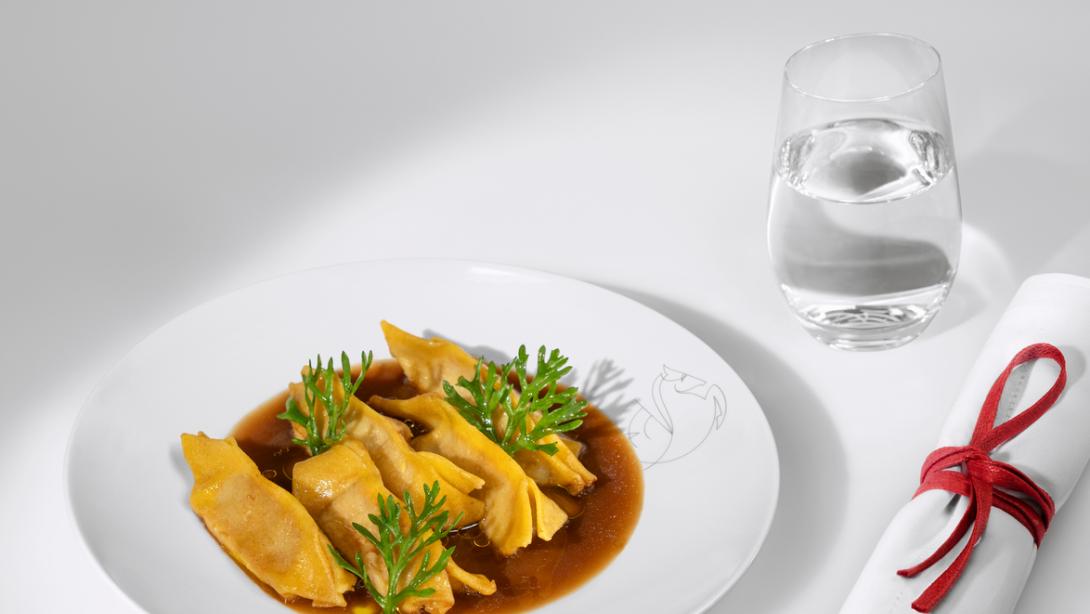
Air France has introduced a rotating Business Class menu created by Michelin-starred chef Mory Sacko on its Nairobi–Paris route, the airline said in a statement dated May 4, 2026 in Nairobi.

According to the press release, the airline will roll out 12 new dishes over the coming months for customers flying from Nairobi, with options spanning vegetarian, fish, red meat and poultry selections. Air France said some dishes are already available, including “gnocchi with corn cream” and a seafood dish featuring “sea bass and prawns in a spicy bouillabaisse-style broth served with poached vegetables.”

The move is part of Air France’s broader strategy to differentiate its long-haul product on African routes as competition intensifies among international carriers serving key hubs such as Nairobi’s Jomo Kenyatta International Airport. The Nairobi–Paris route is an important link for business and leisure travel between Kenya and Europe, supporting tourism, trade and connectivity for multinational firms and regional organisations with operations in Nairobi.

Chef Sacko, who the airline said has Senegalese and Malian heritage, is known for combining French and West African influences. Air France noted that his Paris restaurant, MoSuke, earned a Michelin star after opening in 2020. The press release also cited a later collaboration with Louis Vuitton in Saint-Tropez as part of his international profile.

Joris Holtus, Air France–KLM regional General Manager for East and Southern Africa, Nigeria and Ghana, said the partnership is intended to reflect both French culinary positioning and local influences across the airline’s African network.

“Our partnership with the global gastronomy icon Chef Sacko reinforces Air France’s long-standing ambition to champion French culinary excellence at altitude while embracing the richness of local cultures in its global network. We are delighted to introduce his unique menu to our loyal customers across Africa,” Holtus said.

Air France said the Nairobi introduction will be followed by a phased rollout across other sub-Saharan African destinations during 2026–2027, naming Cotonou, Dakar, Libreville and Lagos as markets where the menus will be introduced progressively.

For Kenya’s aviation and hospitality landscape, airline product upgrades on international routes can influence passenger choice, particularly among premium travellers and corporate accounts that prioritise service consistency on long-haul travel. Nairobi is a regional gateway for East Africa, and enhancements by foreign carriers can add pressure on airlines operating out of the city to keep pace on onboard experience, lounge offerings and loyalty incentives.

In its background notes, Air France said it is part of the Air France-KLM Group alongside KLM Royal Dutch Airlines and Transavia, with hubs at Paris-Charles de Gaulle and Amsterdam-Schiphol. The group “connect[ing] more than 300 destinations worldwide with a fleet of over 500 aircraft,” according to the statement. Air France also said the Flying Blue loyalty programme has more than 30 million members, and that Air France and KLM are members of the SkyTeam alliance, which includes 19 airlines.

Looking ahead, the immediate milestone for travellers on the Nairobi–Paris service is the gradual introduction of the full set of 12 dishes in Business Class, while the wider regional indicator will be the pace at which Air France extends the Sacko menus to additional African routes during the 2026–2027 period, as outlined in the press release.

Air France has introduced a rotating Business Class menu created by Michelin-starred chef Mory Sacko on its Nairobi–Paris route, the airline said on May 4, 2026. The carrier said the rollout is part of a broader 2026–2027 plan to introduce the menus on additional routes in sub-Saharan Africa.

BYD by CFAO Mobility delivers first plug-in hybrid fleet for SBM Bank through Avenue Lease & Rentals

BYD by CFAO Mobility delivers first plug-in hybrid fleet for SBM Bank through Avenue Lease & Rentals

4 min read

BYD by CFAO Mobility Kenya has delivered a fleet of five plug-in hybrid electric vehicles (PHEVs) to Avenue Lease & Rentals E.A for leasing to SBM Bank Kenya, in what the companies described as an early corporate deployment of the models in the local market. The handover took place in Nairobi on April 2, 2026, according to a joint statement.

The delivery includes one BYD Shark 6 plug-in hybrid pickup and four BYD Sealion 6 plug-in hybrid SUVs. BYD by CFAO Mobility Kenya said the fleet represents “the first significant corporate fleet deployment” of these specific models in Kenya, reflecting interest in hybrid options for fleet operations.

The transaction links three players in the emerging e-mobility ecosystem: vehicle distribution by BYD via CFAO Mobility, leasing by Avenue Lease & Rentals E.A, and corporate adoption by SBM Bank Kenya. Leasing has increasingly been positioned by fleet operators as a way to access new vehicle technologies while reducing upfront capital requirements.

Nicolas Ruffier des Aimes, General Manager at BYD by CFAO Mobility Kenya, said the partnership signals a shift in how organisations approach cleaner mobility. “We are proud to see leading institutions like SBM Bank and Avenue Lease & Rentals E.A embrace the future of the automotive industry,” he said during the handover ceremony. He added: “We look forward to more opportunities to make sustainability a daily endeavor of our partners.”

SBM Bank Kenya said the move aligns with its internal sustainability goals, particularly around emissions reductions from operations and logistics. “We are excited to take this significant step towards achieving our sustainability goals. Our commitment to reducing direct emissions is a dedication to creating positive environmental change,” said Bhartesh Shah, Chief Executive Officer of SBM Bank Kenya. He added that adopting hybrid technology would help the lender “modernise our logistics while significantly cutting down our CO2 emissions.”

For Avenue Lease & Rentals E.A, the deal positions the firm within a developing market for EV and hybrid leasing services in Kenya. The company’s Chief Operating Officer said the partnership would allow customers to shift to cleaner vehicles without immediate large capital outlays. “Our decision to actively enter the electric vehicle leasing market through our partnership with CFAO Mobility reflects both our commitment to environmental stewardship and the evolving needs of our clients,” the COO said. “Leasing EVs allows organizations to transition to clean transportation solutions without the heavy upfront capital requirements traditionally associated with fleet replacement.”

The COO also framed plug-in hybrids as a transitional technology for organisations that may not yet be ready to go fully electric due to infrastructure or operational constraints. “Leasing plug-in hybrid vehicles allows organizations like SBM Bank Kenya to lower emissions today, while gradually transitioning toward full electric mobility,” the COO said, citing “reduced fuel consumption, lower CO2 output, and improved operational efficiency” as expected outcomes.

The announcement comes as Kenya’s transport and energy stakeholders evaluate the pace of electrification amid infrastructure build-out, vehicle availability and total cost-of-ownership considerations. The statement referenced Kenya’s national climate action plan target of a 32% reduction in carbon emissions by 2030, positioning corporate fleet decisions as part of the broader transition to lower-emission transport.

Looking ahead, Avenue Lease & Rentals E.A said the partnership could expand into related services that support fleet electrification. “This collaboration sets the stage for future EV fleet transactions, expanded adoption of electric and hybrid vehicles, and the development of supporting services such as charging solutions, fleet management, and lifecycle optimisation,” the COO said.

BYD by CFAO Mobility Kenya has delivered a fleet of five plug-in hybrid vehicles to Avenue Lease & Rentals E.A, which will lease the units to SBM Bank Kenya. The deal signals growing interest among corporates in hybrid and electric mobility models, as firms pursue emissions reductions and manage fleet replacement costs.

KLM flies four endangered mountain bongos from Czech Republic to Kenya in conservation charter

KLM flies four endangered mountain bongos from Czech Republic to Kenya in conservation charter

4 min read

KLM Royal Dutch Airlines has transported four critically endangered mountain bongos from the Czech Republic to Kenya on a special conservation charter flight, with the animals received in Nairobi on April 29, 2026, as part of a structured rewilding programme.

In a press release, KLM said the four male bongos were moved in custom-built travel stalls to the Mount Kenya Wildlife Conservancy (MKWC) in central Kenya. The airline said the operation was coordinated with the Kenya Wildlife Service (KWS), MKWC and international conservation partners including the European Association of Zoos and Aquariums (EAZA).

The mountain bongo (Tragelaphus eurycerus isaaci) is listed as critically endangered. According to the press release, an estimated 66 individuals remained in the wild as of 2025, down from 150 in 2021. KLM said the translocation is intended to strengthen Kenya’s wild population through the introduction of animals bred in European zoological institutions that were selected for age, health and genetic suitability.

The initiative, titled “Return of the Bongos to Kenya,” is the first time mountain bongos have been returned from European zoological populations to Kenya as part of a structured rewilding programme, according to KLM. The airline said MKWC has set a target of establishing a population of 750 fully rewilded bongos by 2050.

The delivery places aviation logistics at the centre of a broader conservation value chain that has direct relevance for Kenya’s tourism economy and biodiversity-linked investment, including conservancy operations, veterinary services, security and habitat management. Wildlife tourism remains a key foreign-exchange earner for Kenya, and species recovery programmes can influence destination competitiveness and conservation funding flows across the Mount Kenya ecosystem.

Pier Luigi Vigada, Air France–KLM Martinair Cargo Regional Director for East & Southern Africa and the Indian Ocean, said the flight illustrated how transport providers can support conservation efforts. “This operation demonstrates what is possible when aviation and conservation work hand in hand. We are proud to support a mission that contributes directly to the survival of one of Africa’s most iconic and endangered species,” Vigada said.

Joris Holtus, Air France-KLM’s General Manager for East and Southern Africa, Nigeria and Ghana, said the group responds to conservation transport requests when approached. “As an airline group, we are vividly aware of the greater purpose that global connectivity serves. That’s why, whenever we receive a call to support conservation initiatives like the transfer of the mountain bongos and lions, we do respond without hesitation,” Holtus said.

KLM said the operation required detailed planning to address logistical and geopolitical considerations alongside animal welfare monitoring. The airline added that Air France–KLM Martinair Cargo supported the effort as the group’s air cargo unit, noting that the group serves 295 destinations in 110 countries.

For Kenya’s air cargo and logistics sector, specialised wildlife movements are a niche segment but one that requires high compliance standards, coordination with regulators and specialised handling capacity at airports. Such operations can also reinforce Nairobi’s role as a regional logistics hub for time-sensitive and high-care shipments, including live animals, pharmaceuticals and horticulture exports.

Looking ahead, the conservation programme’s next milestones will be at MKWC, where the animals are expected to enter ongoing management processes aimed at eventual rewilding, alongside continued collaboration between Kenyan agencies and European breeding programmes, according to the press release.

KLM Royal Dutch Airlines has transported four critically endangered mountain bongos from the Czech Republic to Kenya on a special conservation charter flight, with the animals received at Jomo Kenyatta International Airport on April 29, 2026. The airline said the move supports a structured rewilding programme led by Mount Kenya Wildlife Conservancy in collaboration with the Kenya Wildlife Service and European zoo partners.

ANZA MMA Fight Night 008 features East African amateur bouts in Nairobi

ANZA MMA Fight Night 008 features East African amateur bouts in Nairobi

3 min read

ANZA MMA held its Amateur Fight Night 008 on April 26, 2026 at The Alchemist in Westlands, Nairobi, drawing amateur mixed martial arts fighters from Kenya, Rwanda, Uganda and Italy in a nine-fight card, according to a statement issued by the organiser on April 27, 2026.

The event featured athletes representing gyms and teams including Nairobi Jiu-Jitsu Academy, Mombasa Sharks, GAMMA Rwanda, Kigali BJJ, Guardian Uganda, Hardcore Gym, Tristar Gym Nairobi, Shadow Strikers and the Kenya Wrestling Team, ANZA MMA said.

ANZA MMA also said the audience included representatives from Kenya’s Ministry of Youth Affairs, Creative Economy and Sports—named as Joel Atuti, Deputy Director of Sports, and Mr. Muriithi—as well as PFL Africa’s Daniel Kijo, Director of Marketing and Operations. The statement added that Kenyan fighter Felista Mugo attended the event, describing her as having recently won in Pretoria under the Professional Fighters League (PFL) banner.

In results highlighted by the organiser, Kenya’s Samuel Laurian of Nairobi Jiu-Jitsu Academy won the featherweight main event by submission against Rwanda’s Jonathan Ntakirutimana of GAMMA Rwanda. In the welterweight co-main event, Italy’s Lorenzo Cardanelli, representing Kigali BJJ, defeated Kenya’s Amos Eboso by submission in what ANZA MMA described as a rematch; the statement said the two previously fought at ANZA MMA’s first event in June 2025, where Cardanelli also won by submission.

ANZA MMA said eight of the nine fights ended by submission, technical knockout (TKO) or knockout (KO), with only one contest going to the judges. Among the quickest finishes cited was Shadrack Otieno’s 30-second rear-naked choke submission win over Aman Niyigena in a lightweight bout.

Other results on the main card included Uganda’s Shaffik Assuma defeating Kenya’s Jared Otieno by disqualification in a flyweight bout, according to the organiser.

On the preliminary card, ANZA MMA listed Martin Mwanza defeating Djibril Binego by TKO, Steve Munyi defeating Kamya Pison by TKO, and Matthew Lwano defeating Maina Morgan by judges’ decision. The organiser also listed Eric Ngari defeating KO Gordon Juma, and Kennedy Adaki defeating Eugine Oyugi by submission.

Why it matters

While MMA remains a niche sport compared with football and athletics in Kenya, regular fight nights and structured amateur-to-professional pathways can support a growing combat-sports economy—spanning gyms, coaching, event production, venue partnerships and sponsorship—particularly in Nairobi’s entertainment circuit. The Alchemist has increasingly hosted sports and lifestyle events, underlining the link between nightlife venues and ticketed sports programming.

The attendance of officials from the Ministry of Youth Affairs, Creative Economy and Sports, as cited by ANZA MMA, also points to continued interest in how emerging sports fit within Kenya’s broader creative and sports economy agenda, including athlete development and event-hosting opportunities.

Next steps

ANZA MMA announced its next professional event is scheduled for June 6, 2026 at The Broadwalk Mall in Nairobi. The promotion said the card will include Kenyan fighters Ouhsummer Ali Abad, Kevin Odongo, Georgi Itumo and Alhassan Mosala, and that it expects regional participation from Zambia, the Democratic Republic of Congo, Tanzania, Kenya, Uganda and South Sudan.

ANZA MMA’s Amateur Fight Night 008 was held on April 26, 2026 at The Alchemist in Westlands, Nairobi, featuring fighters from Kenya, Rwanda, Uganda and Italy. The organiser said eight of the nine bouts ended by stoppage, and announced its next professional event for June 6, 2026 at The Broadwalk Mall.

Safaricom-backed Mohit Mediratta wins opening leg of PGK Equator Tour at Vetlab

Safaricom-backed Mohit Mediratta wins opening leg of PGK Equator Tour at Vetlab

3 min read

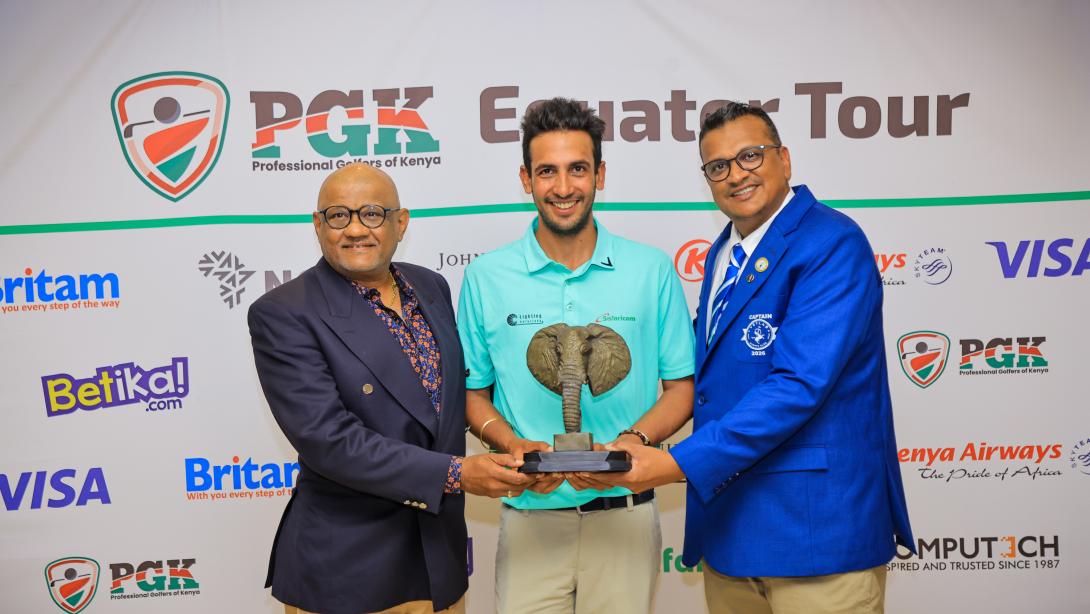
Mohit Mediratta, a professional golfer sponsored by Safaricom, won the opening leg of the PGK Equator Tour Second Edition at Vetlab Sports Club in Nairobi, organisers said on April 27, 2026. Mediratta finished on 284 (four under par) and sealed the title with a hole-in-one during the four-day tournament.

According to the press release, Mediratta topped what was described as a “tightly contested corporate leaderboard,” finishing three shots clear of the nearest challengers. Fellow Safaricom-backed golfers Mutahi Kibugu and Samuel Chege finished joint second on 287, alongside Jastas Madoya, who also posted 287.

The PGK Equator Tour is a multi-leg series staged across Kenyan golf courses and supported by corporate sponsors. The organisers said the tour will feature 11 courses countrywide this year, with the second leg scheduled for Thika Sports Club following the Vetlab event.

Mediratta said the win was a confidence boost ahead of the remaining legs. “I am excited to have won the first leg. The hole-in-one came as a complete surprise, it’s a rare moment for any golfer, and I am truly happy about it. The course was quite challenging and the competition was tight, but I managed to stay focused,” Mediratta said in the statement.

He added that the time between events had helped his preparation for the tour. “The break has given me valuable time to practice and prepare, and I am hopeful for a strong rest of the season as I aim to finish top together with my team. This win gives me great confidence, and I am really looking forward to the next legs. I hope to maintain this form throughout the season,” he said.

Rounding out the top 10 were Greg Snow and C.J. Wangai on 289; Robinson Owiti and debutant John Lejirma on 290; Dismas Indiza on 291; and Njoroge Kibugu, Daniel Nduva and David Wakhu on 292, according to the organisers.

The tournament attracted 52 of Kenya’s top professionals, including six debutants, while three women participated after transitioning from the amateur ranks, the press release said. The organisers positioned the series as part of a wider effort to deepen the competitive calendar for local professionals and increase exposure to higher-level tournament conditions.

For Kenya’s sports business and sponsorship market, the tour highlights how large corporates are continuing to finance domestic sporting properties as brand platforms and as talent-development pipelines. The organisers said the tour is backed by several sponsors, including Safaricom, NCBA, Betika, Kenya Airways, Visa, Britam and Johnnie Walker.

The press release linked the tour’s competitive pathway to larger events, saying it is intended to help prepare Kenyan players for international competitions such as the Magical Kenya Open and the 2028 Olympic Games in Los Angeles. With the first leg completed, attention turns to how standings points from successive legs will shape the “road to the Magical Kenya Open qualification,” as described by the organisers.

The next milestone for players will be the second leg at Thika Sports Club, where early leaders will seek to consolidate their positions while challengers attempt to close the points gap.

Mohit Mediratta won the opening leg of the second edition of the PGK Equator Tour at Vetlab Sports Club in Nairobi after finishing four under par. The corporate-backed series moves next to Thika Sports Club as players chase standings points linked to qualification for the Magical Kenya Open.

KCB Volleyball settle for silver at Africa Club Championship in Cairo

KCB Volleyball settle for silver at Africa Club Championship in Cairo

4 min read

KCB Volleyball Ladies finished runner-up at the 2026 Africa Clubs Championship in Cairo, Egypt, after losing 3-1 to Al Ahly Volleyball Club in the final, according to a press release issued on April 23, 2026.

KCB won the opening set 25-22 before Al Ahly took the next three sets 25-15, 25-20 and 25-16 to secure the title. The match marked KCB’s only defeat of the tournament, following an unbeaten run from the group stage through to the semi-finals, KCB said.

The result represents an improvement for the Kenyan side, which finished fifth at the same competition in Nigeria last year, according to the press release. For Kenya’s sports and corporate sponsorship landscape, the club’s performance is closely watched given KCB’s position as one of the country’s major bank-backed teams and a consistent contender in regional competitions.

In the individual awards, Merlyn Terry Tata was named Best Opposite Attacker, while Juliana Namutira won Best Outside Hitter and Sharon Cherono was awarded Best Middle Blocker, KCB said.

Team captain Mercy Moim attributed the run to resilience, while acknowledging the missed opportunity in the final. “First of all, my appreciation goes to everyone on the team for not giving up, even when things got tough. We fought to the end and gave our best. While we did not get the result we wanted, we are proud of how far we have come and how we represented Kenya. This experience will only make us stronger. We will take the lessons from this tournament and come back even better,” Moim said.

KCB Volleyball patron Judith Sidi Odhiambo said the club intends to build on the continental campaign in domestic competitions. “I am very proud of the team. They have shown great determination throughout the tournament. Finishing second in Africa is no small feat. We will carry this momentum into our local competitions, keep our heads high and win all that is there,” Odhiambo said.

The final also added to a long-running rivalry between KCB and Al Ahly, whom the Kenyan side has faced in the championship match several times. KCB said it had previously met Al Ahly—described in the statement as 11-time winners—in three earlier finals, winning twice. The club said KCB beat Al Ahly 3-2 in the 2006 final in Vacoas, Mauritius, after a group-stage loss; Al Ahly won 3-1 in Nairobi in 2009; and KCB won 3-1 in the 2022 final in Kelibia, Tunisia, ending what the press release described as a nine-year title drought for Kenya.

According to KCB, the club topped Pool D with straight-sets wins over Nigeria’s Vipers and Partners (25-19, 25-19, 25-19), Seychelles’ ARSU Ladies (25-09, 25-14, 25-17) and Cameroon’s Litto Team Volleyball (25-13, 25-22, 25-23), finishing the preliminary stage with maximum points.

In the knockout rounds, KCB said it beat Burundi’s GLC 3-0 (25-13, 25-07, 25-14) in the Round of 16 and Cameroon’s Mayo Kani Evolution 3-0 (25-15, 25-18, 25-21) in the quarter-finals. In the semi-finals, KCB rallied to defeat Kenya Pipeline Volleyball Club 3-1 (16-25, 25-10, 25-15, 25-19) to reach the final, while Al Ahly overcame Tunisia’s CF Carthage 3-1 to set up the title match, according to the press release.

Going into the next phase of the season, KCB’s stated focus will be translating continental form into results in local competitions, while also maintaining a core that delivered individual honours and a deep run in Cairo.

KCB Volleyball Ladies finished second at the 2026 Africa Clubs Championship in Cairo after losing 3-1 to Egypt’s Al Ahly in the final, according to a statement issued on April 23. The team improved on last year’s fifth-place finish and collected three individual awards at the tournament.

Pwani Oil and KGS roll out Detrex menstrual hygiene campaign for women inmates

Pwani Oil and KGS roll out Detrex menstrual hygiene campaign for women inmates

4 min read

Pwani Oil Products Limited, through its Detrex Soap brand, has partnered with the charitable organisation Keeping Girls in School (KGS) to expand access to menstrual hygiene products and education for women inmates in Kenyan prisons. The campaign, launched at Lang’ata Women’s Prison in Nairobi, began in March and will run through to September 2026, with organisers saying at least 1,000 women will receive support.

According to the press release dated April 22, 2026, the programme will distribute “dignity kits” containing sanitary pads, underwear, soap and basic hygiene supplies, including Detrex bathing soap, to women inmates across several facilities. Organisers said the intervention is intended to address persistent shortages of personal care items in prisons, which can leave incarcerated women dependent on irregular donations or family support.

The initiative comes against a broader strain on Kenya’s correctional system. Kenya’s prison population stands at around 58,000 inmates, with women accounting for roughly 13%, according to data cited in the release from the National Council on the Administration of Justice. Based on those figures, the female prison population is estimated at about 8,000.

Overcrowding has also been flagged as a factor that affects sanitation and access to basic supplies. Kenya’s prisons operate at about 161% of official capacity, according to data cited from the Kenya National Bureau of Statistics, putting pressure on sanitation infrastructure. The press release added that health advocates link inadequate access to soap and menstrual products to elevated risks of reproductive tract infections, urinary tract infections and skin diseases, as well as anxiety, stigma and loss of dignity among inmates.

“We believe access to basic hygiene is fundamental to health and dignity for every Kenyan, including those in correctional facilities. Through Detrex, we are proud to support such practical interventions that restore dignity while advancing public health outcomes in underserved communities,” said Polycarp Nyawuana, RRT Manager Nairobi at Pwani Oil, during the campaign’s launch at Lang’ata Women’s Prison.

KGS said the campaign will combine product distribution with education sessions focused on menstrual health, hygiene practices and reducing stigma around menstruation inside prison communities.

“Menstrual health and hygiene is an urgent but often overlooked need, especially within correctional facilities, where a majority of the women population is underprivileged. It is encouraging to see corporates like Pwani Oil, taking bold steps to bridge the needs gap,” said Wamuyu Kuira, Executive Director at KGS.

While the campaign is framed by the partners as a public health intervention, it also signals continued corporate participation in social programmes amid constrained public resources. The press release said the initiative is supported by Pwani Oil as part of its environmental, social and governance commitments and community outreach programmes.

For Kenya’s business landscape, the partnership illustrates how consumer goods manufacturers are increasingly aligning brand-led programmes with measurable social outcomes, particularly in health and sanitation. It also highlights a growing focus on underserved populations, including incarcerated people, as stakeholders in public health policy outcomes that can affect national healthcare burdens.

Looking ahead, the partners said the campaign will run until September 2026, with distribution of kits and delivery of menstrual health education sessions across targeted prison facilities. The scale-up beyond the 1,000 intended beneficiaries, and whether similar models are adopted by other private sector players, is likely to be shaped by results from the ongoing rollout and the availability of complementary support within the prison health system.

Pwani Oil Products Limited, through its Detrex Soap brand, has partnered with Keeping Girls in School (KGS) to provide dignity kits and menstrual health education to at least 1,000 women in Kenyan prisons. The programme started in March and will run to September 2026, targeting hygiene product shortages and menstrual health stigma in correctional facilities.

LG Electronics runs shopper rewards campaign during Carrefour Brand Festival at Two Rivers Mall

LG Electronics runs shopper rewards campaign during Carrefour Brand Festival at Two Rivers Mall

3 min read

LG Electronics engaged consumers in Nairobi through a two-week shopper campaign held during the Carrefour Brand Festival, culminating in a live draw event at Two Rivers Mall on April 21, 2026.

According to the company’s press release, the festival brought together 45 consumer brands offering promotional pricing and customer rewards. LG used the platform to showcase its home appliances and electronics while running a prize draw for shoppers who made qualifying purchases at selected Carrefour stores.

To participate, customers were required to purchase select LG products worth at least KES 14,000. Qualifying shoppers were entered into a draw to win LG appliances including microwaves, refrigerators, washing machines and smart televisions, the company said.

The activation highlights the increasing role of large-format supermarkets and mall-based retail in Kenya’s distribution of consumer electronics and durable goods, where brands are seeking to drive foot traffic and conversions through in-store demonstrations, bundled offers and reward mechanics.

LG positioned the campaign as part of its retail partnership approach. The company said the initiative was intended to strengthen direct consumer engagement through established shopping platforms and to support the growth of Kenya’s modern retail segment.

“We are proud to be part of initiatives that bring our products closer to customers,” said Irene Mwangi, Regional Manager of LG East Africa’s Go-to-Market team, speaking during the award ceremony.

Mwangi added that, “This campaign demonstrated how strong partnerships can translate into real value for consumers while strengthening the retail ecosystem that supports technology access across the region. As LG, we remain committed to delivering innovation that responds to the needs of today’s connected homes.”

For Kenya’s retail and consumer goods market, such campaigns can influence short-term sales volumes in categories such as televisions and large appliances, which are often sensitive to price incentives and financing availability. They also underscore the competitive push among electronics brands to secure visibility in high-traffic retail destinations, as shoppers increasingly compare products in-store before purchasing.

LG did not disclose the number of participating shoppers, the value of prizes awarded, or sales performance from the campaign. Future milestones would include similar co-branded promotions and in-store activations as brands and retailers continue to compete for consumer spending in Kenya’s mall and supermarket ecosystem.

LG Electronics East Africa used the two-week Carrefour Brand Festival campaign in Nairobi to market home appliances and electronics and run a shopper rewards draw. Customers who bought select LG products worth at least KES 14,000 qualified to enter a draw for appliances including TVs, refrigerators and washing machines.

Jubilee Life Insurance launches Faida Elimu plan to target education financing gaps

Jubilee Life Insurance launches Faida Elimu plan to target education financing gaps

3 min read

Jubilee Life Insurance Company Limited has launched the Faida Elimu Insurance Plan, a new education-focused insurance and savings product, as it targets rising school fee costs and the risk of learning disruption for Kenyan children, the company said on April 20, 2026 in Nairobi.

The insurer positioned the plan as a combination of long-term savings and insurance protection intended to cushion households against sudden income shocks that can interrupt schooling. Jubilee Life said the product is aimed at parents and guardians planning for private and specialised education, where costs are typically higher.

The launch comes as households continue to face budget pressure from education expenses. Jubilee Life cited the Kenya’s Inequality Crisis report by Oxfam, which says about 36% of Kenya’s population is under the age of 15 and that more than 14 million pupils are enrolled in primary and secondary schools. The same report indicates households spend up to 14% of their income on school fees, according to Jubilee Life’s statement.

Jubilee Life linked the product to Kenya’s Vision 2030 human capital ambitions, arguing that more predictable funding for school transitions can reduce the likelihood of dropouts driven by financial distress. Education financing has become a growing area of interest for insurers, asset managers and lenders as families seek structured ways to plan for termly fees while also managing risk from death or loss of income.

Asman Mugambi, CEO and Principal Officer at Jubilee Life Insurance Company Limited, said the firm was aiming to respond to both financial and non-financial stress faced by families. “As a company, we are called to think beyond products and intentionally design practical solutions that relieve both the psychological and financial burdens among Kenyan families,” Mugambi said. “Every parent wants their child to go further than they ever did, without anything limiting that dream. Predictability and dignity ensure that a child’s education journey continues even when life takes unexpected turns.”

According to Jubilee Life, the Faida Elimu Insurance Plan allows monthly contributions starting from KES 5,000 and also provides for a one-off deposit option starting from KES 100,000. The plan includes an investment-linked component combined with life risk cover, and a mandatory last-expense cover of KES 100,000. Jubilee Life said the life cover can go up to KES 1 million.

For Kenya’s insurance market, the product underscores continued interest in investment-linked policies that blend savings discipline with protection benefits, particularly as consumers look for targeted solutions tied to life goals such as education. The education segment also presents a long-duration savings opportunity for insurers, although policy performance and customer outcomes will depend on product costs, investment returns and disclosure standards, as well as households’ ability to sustain contributions through income volatility.

Jubilee Life’s parent, Jubilee Holdings Limited, is listed on the Nairobi Securities Exchange, and the group operates across several regional markets. The company said it has more than 1.9 million customers across Kenya, Uganda, Tanzania, Burundi and Mauritius.

Going forward, market watchers will track uptake levels for education-linked insurance and whether similar products expand distribution through bancassurance, agents and digital channels as insurers compete for long-term savings flows.

Jubilee Life Insurance has launched the Faida Elimu Insurance Plan in Nairobi as an education-focused savings and protection product aimed at helping households manage school fee costs and disruptions. The insurer said the plan allows contributions from KES 5,000 per month and includes life and last-expense cover alongside an investment-linked component.