Business

LG Electronics East Africa plants 300 indigenous trees at Ngong Hills Forest in restoration drive

LG Electronics East Africa plants 300 indigenous trees at Ngong Hills Forest in restoration drive

4 min read
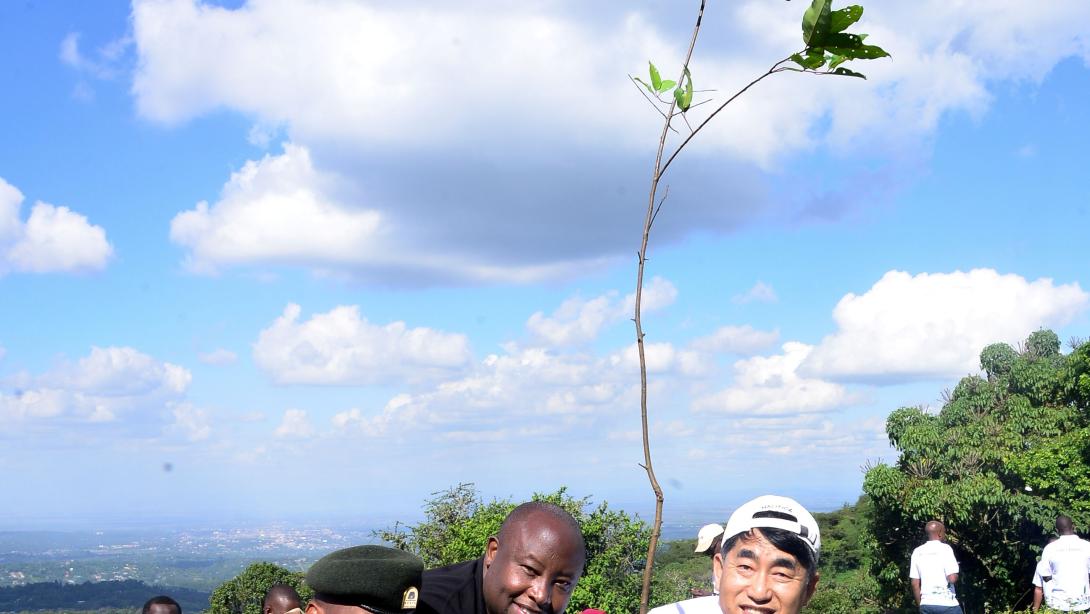
LG Electronics East Africa, in partnership with the Ngong Hills Metro Community Forest Association (CFA) and Tree Niches, planted more than 300 indigenous trees at Ngong Hills Forest on June 6, 2026, as part of efforts to restore degraded sections of a key water catchment ecosystem near Nairobi.

In a statement, the company said the activity took place in Ngong, about 25 kilometres southwest of Nairobi, in the 7,000-acre Ngong Hills Forest. LG said the forest supports communities across Nairobi, Kajiado, Kiambu and neighbouring counties as a water catchment area, and is also a recreation destination.

The tree-planting exercise comes as Kenya faces environmental degradation pressures that include “declining forest cover, biodiversity loss, prolonged droughts, flooding and increasing pressure on critical water catchment areas,” according to the press release. The company cited threats to indigenous forests from illegal logging, encroachment, charcoal production, overgrazing and unsustainable land-use practices.

LG said the 2026 activity builds on a restoration programme it launched with partners in 2025. During last year’s initiative, the partners planted more than 300 indigenous seedlings in degraded sections of the forest. Follow-up monitoring showed 252 trees survived, which LG and its partners put at an 84% survival rate.

“Last year, together with our partners, we planted more than 300 indigenous trees in this forest. We are pleased that 252 of those seedlings survived, achieving an 84 percent survival rate,” said Donghun Lee, President of LG Electronics East Africa. “That success demonstrates that meaningful restoration is possible when tree planting is followed by proper care and monitoring. It has also motivated us to return and plant another 300 trees as part of our long-term commitment to environmental sustainability.”

The company also donated four benches that it said will be installed at “strategic locations throughout the forest.” LG said the benches are intended to improve the experience of visitors and hikers and encourage appreciation for conservation.

Tree Niches said the initiative reflects the importance of ecosystem restoration through sustained collaboration. “Kenya has lost significant portions of its natural ecosystems over the years due to deforestation and land degradation. Every successful restoration project helps reverse that trend,” said Dr. Solomon Kipkoech, Co-founder and Director of Tree Niches. “The impact of such initiatives go beyond the trees planted to demonstrate the value of sustained partnerships and community-led conservation.”

For Kenya’s business landscape, corporate participation in forest restoration has become increasingly visible as climate variability affects sectors such as agriculture, energy, insurance and tourism. Water catchments near major urban centres also have direct implications for industrial and household water availability, and for operational risk management for companies with supply chains dependent on water resources.

The reported 84% survival rate from the 2025 planting, if sustained in subsequent seasons, could be significant because survival rates—rather than planting numbers—determine whether restoration projects translate into lasting canopy recovery. However, survival outcomes can vary with rainfall patterns, species selection and long-term maintenance, meaning continued monitoring will remain central to assessing impact.

LG said it will now be responsible for more than 520 trees grown at Ngong Hills Forest over a two-year period, based on the 252 surviving seedlings from 2025 and the new planting in 2026. The partners did not disclose the budget or cost of the programme. Next milestones are likely to include follow-up maintenance and survival audits of the newly planted trees, as well as installation of the benches at designated sites in the forest, according to the statement.

LG Electronics East Africa, working with the Ngong Hills Metro Community Forest Association and Tree Niches, planted more than 300 indigenous trees at Ngong Hills Forest on June 6, 2026. The initiative follows a 2025 planting in the same forest where partners reported an 84% seedling survival rate, and includes a donation of four benches for installation in the forest.
Britam paid KSh97.3 million in 2025 climate claims for 402,681 farmers and pastoralists

Britam paid KSh97.3 million in 2025 climate claims for 402,681 farmers and pastoralists

4 min read

Britam Holdings Plc said it paid out KSh97.3 million in insurance claims in 2025 to support 402,681 farmers and pastoralists recovering from climate-related shocks across East Africa, according to the firm’s 2025 Sustainability Report launched in Nairobi on June 4, 2026.

The listed financial services group said the payouts were made through parametric insurance products designed to trigger payments based on satellite data and pre-defined weather thresholds, targeting communities affected by drought, erratic rainfall and other climate disruptions.

In its report, Britam said crop insurance coverage expanded by 83% year-on-year, rising from 161,521 farmers in 2024 to 294,799 in 2025. The company reported paying KSh80.4 million in crop insurance claims in 2025.

Britam also reported that 107,882 pastoralists across Kenya, Uganda and Tanzania were covered under its livestock insurance programme, with KSh16.9 million paid in claims settlements to affected households.

The disclosures come as Kenya’s agriculture sector—an important contributor to employment and household incomes—faces increased climate volatility, heightening interest in risk-transfer products such as crop and livestock insurance. Parametric structures, which are typically designed to pay out when a weather index crosses a threshold, are increasingly positioned as a mechanism to speed up disbursements compared with traditional loss-adjustment processes.

Britam Group Managing Director and CEO Tom Gitogo said the insurer’s approach is aimed at reducing exposure for vulnerable producers when weather shocks occur. “Through inclusive, sustainable and innovative solutions, we are enabling recovery, stability, and continued productivity even in the face of increasing climate uncertainty. Our focus is to ensure that farmers and pastoralists are not left exposed when climate shocks strike,” Gitogo said, according to the report.

Beyond insurance, Britam said it increased its investments in environmental sustainability and climate action. The company reported that in October 2025 it commissioned a solar installation at its headquarters, Britam Tower. The installation is projected to generate 390,000 kWh annually, meet more than 50% of the building’s energy needs and offset 198 tonnes of carbon emissions each year, according to the report.

The Britam Foundation planted 86,000 trees in the Mt. Elgon Water Tower, restored more than 444 acres of degraded land and supported the creation of 1,358 green jobs in host communities, the company said. Britam stated that these activities contribute to its ambition of planting 60 million trees by 2030.

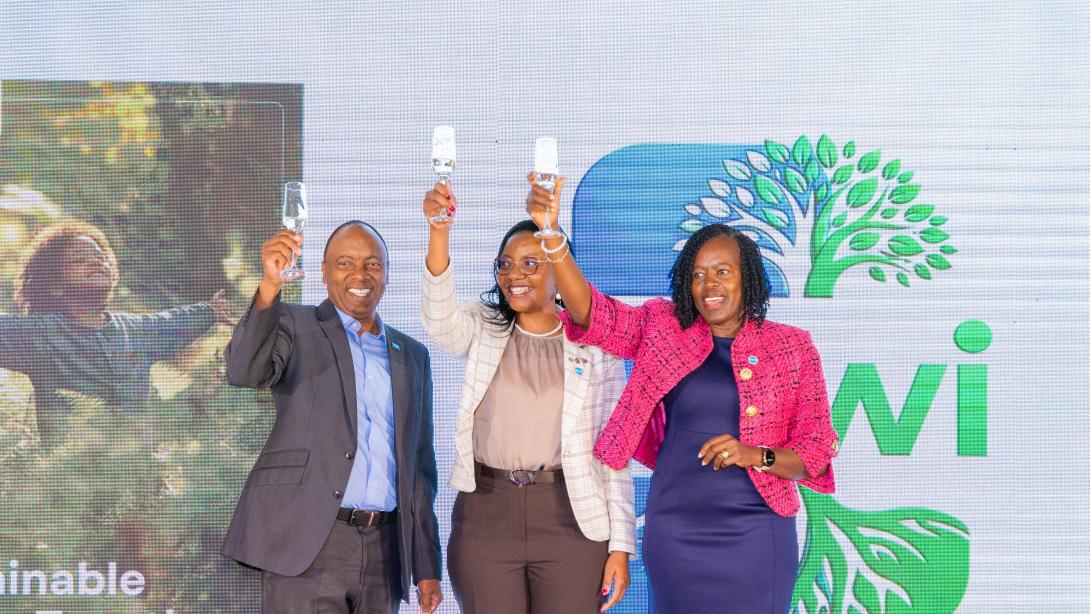
In May 2026, Britam introduced TAWI, which it described as a digital platform to coordinate, track, verify and measure tree-planting activities in real time for longer-term stewardship and accountability.

The group also highlighted health and governance indicators. Britam said that through its Lea Mama maternal health programme, more than 3,300 mothers were enrolled in 2025, contributing to a 50% reduction in miscarriage rates, and reported an average customer Net Promoter Score of 9.4 out of 10. On governance, the company said it recorded zero corruption incidents in 2025 and contributed KSh3.1 billion in taxes across its seven markets.

Hilda Njeru, Director, Legal & Sustainability and Group Company Secretary, said the latest disclosure reflects a broader focus on integrating sustainability into the business. “This reflects our understanding that sustainable growth requires strong governance and responsible leadership. Ultimately, sustainability is about thinking beyond the present and making decisions with the future in mind,” Njeru said.

Britam said the 2025 Sustainability Report is its third annual sustainability disclosure and the first to cover all seven markets under a unified ESG framework. For Kenyan businesses and investors, the figures provide insight into how insurers and financial services groups are positioning around climate risk, including scaling products aimed at agriculture, one of the most climate-exposed parts of the economy.

Britam operates in seven African markets and is listed on the Nairobi Securities Exchange. The company said sustainability is a core pillar of its Ascend 2030 strategy, with future milestones including continued scaling of parametric cover and the roll-out of tracking and verification tools for its tree-planting programme.

Britam Holdings Plc said it paid out KSh97.3 million in 2025 to support 402,681 farmers and pastoralists across East Africa affected by climate-related shocks. The insurer, in its 2025 Sustainability Report launched in Nairobi, reported rapid growth in crop and livestock cover and outlined wider investments in clean energy, tree planting and governance.

Rhino Charge 2026 raises KES 365 million as Adil Khawaja leads fundraising for fourth year

Rhino Charge 2026 raises KES 365 million as Adil Khawaja leads fundraising for fourth year

4 min read

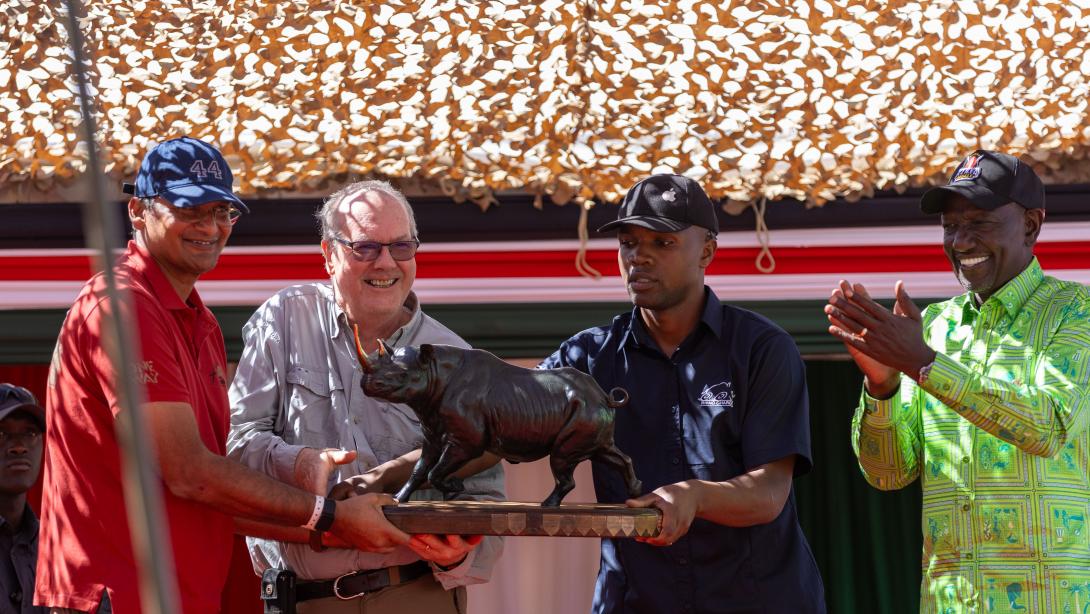
Rhino Ark Kenya Charitable Trust’s 2026 Rhino Charge event raised KES 365 million in Samburu County, the highest amount the organisation says it has collected through the annual off-road fundraiser, after the challenge was held on Saturday at Ngilai Community Conservancy.

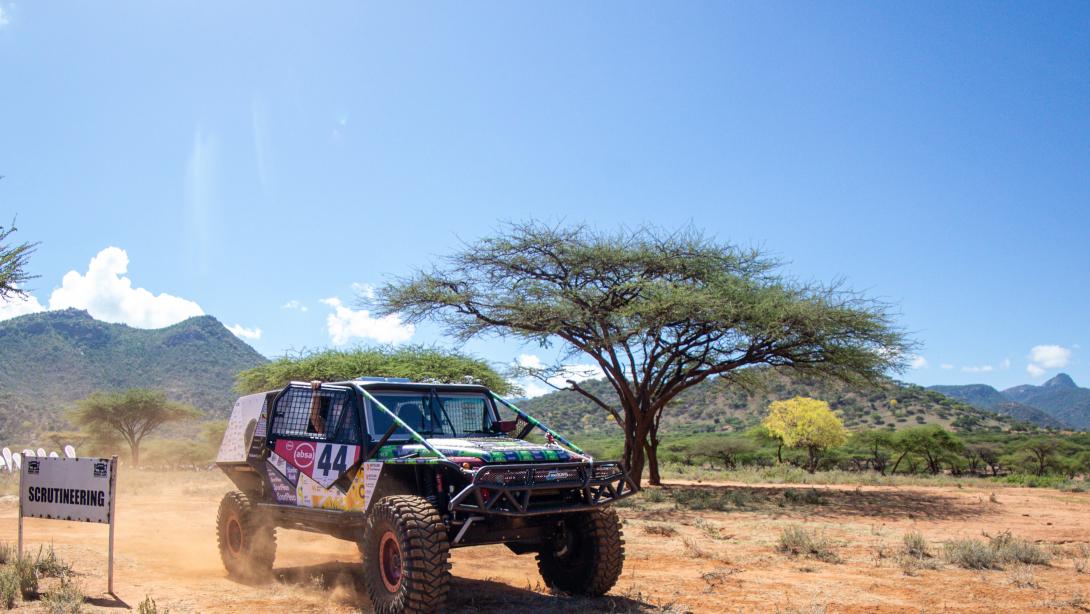
According to the event statement, Safaricom-backed participant Adil Khawaja (Car No. 44, AK44) retained the top fundraiser position for the fourth consecutive year after raising KES 216 million—an amount Rhino Ark described as the highest ever raised by a single team at the event.

The fundraiser, now in its 37th edition, is a key private-sector and community-supported financing channel for conservation projects linked to Kenya’s mountain ecosystems—often referred to as “water towers”—which are important catchment areas underpinning water supply for households, agriculture, and industry.

Rhino Ark said the 2026 proceeds will support the trust’s activities, including “the conservation and protection of Kenya’s mountain range ecosystems.” It also said it handed over a KES 9.1 million cheque to support Ngilai community projects.

In a statement issued after the event, Khawaja attributed the result to broader support beyond his team. “Retaining the top fundraiser title for the fourth consecutive year is an honour, not just for me but for the entire team. I am grateful to everyone who supported this cause. This achievement reflects the collective effort of many who believe in environmental conservation and in making a lasting impact,” said Adil Khawaja, Team Lead, Car No. 44 (AK44).

Rhino Ark reported that Khawaja raised KES 139.8 million last year, compared with KES 175 million in 2024 and KES 60 million in 2023. In 2026, Mark Glen (Car No. 48) and Peter Kinyua (Car No. 23) raised KES 10.8 million and KES 8.5 million respectively, ranking second and third. Martin Kinyanjui of Magnate Chargers (Car No. 62) was fourth with KES 7.7 million, while Robin Tilbury (Car No. 35) placed fifth after raising KES 7 million, Rhino Ark said.

Beyond fundraising, the event includes a competitive off-road element. Rhino Ark said the 2026 challenge featured 65 cars. Team Huzi (Car No. 33), led by Oliver Outram, won the overall title after covering all 13 checkpoints over a 27 km course under the super modified category, retaining the title for the second year in a row.

The Hatarious Chargers (Car No. 3), led by Gurmeet Mehta, placed second after covering 30.4 km, while Patrick Garner of Braeburn Seven Squared (Car No. 49) finished third after covering 31.1 km, according to the statement. Mark Glen (Car No. 48) and Adil Khawaja (Car No. 44) finished fourth and fifth after covering 31.9 km and 32.2 km respectively. Rhino Ark added that Khawaja clinched the Victor Ludorum award.

Corporate sponsorship remained a significant contributor. Rhino Ark said the 2026 Rhino Charge received KES 114 million in sponsorship support from M-PESA Foundation and Safaricom PLC. Of this, the M-PESA Foundation committed KES 94 million towards conservation activities including “fencing and protection of the Mount Elgon Forest (Suam Block)” and restoration of the Mau Forest Complex across Narok, Kericho and Bomet counties.

Safaricom’s sponsorship supported three cars—Car No. 44, Car No. 29 (The EV Explorers), and Car No. 50 (Team Zambarau, Heels on Wheels)—as well as network connectivity during the event, according to the statement.

The results reinforce the growing role of corporate-linked philanthropy and community conservancy partnerships in financing environmental protection in Kenya, particularly where ecosystem degradation can raise costs for water-dependent sectors and amplify climate-related risks.

Rhino Ark did not provide dates for the next edition in the statement, but said the 2026 event marked the 37th running of Rhino Charge, signalling continuity of the annual conservation fundraising model.

Rhino Ark Kenya Charitable Trust’s 37th Rhino Charge event in Samburu County raised KES 365 million, according to organisers. Safaricom-backed team lead Adil Khawaja (Car No. 44) topped the fundraising table with KES 216 million, while Team Huzi won the overall competitive title.

Rhino Charge 2026 set for Samburu as Safaricom and M-PESA Foundation commit KES 114 million

Rhino Charge 2026 set for Samburu as Safaricom and M-PESA Foundation commit KES 114 million

4 min read

The 37th edition of Kenya’s Rhino Charge 4x4 off-road competition will be held on Saturday, May 30, 2026, at Ngilai in Samburu County, with 65 vehicles entered across three categories, according to organisers and sponsors.

Rhino Ark Kenya Charitable Trust said the annual event raises funds for conservation and protection of Kenya’s mountain ecosystems—often referred to as the country’s “Water Towers”—which underpin water security for households, agriculture and industry.

Safaricom PLC and M-PESA Foundation said they will provide a combined KES 114 million in sponsorship for the 2026 event. Of this, M-PESA Foundation committed KES 94 million to support Rhino Ark’s conservation activities, including fencing and protection of the Mount Elgon Forest (Suam Block) and restoration work in the Mau Forest Complex across Narok, Kericho and Bomet counties.

Safaricom said it contributed KES 20 million to support three participating cars and provide network connectivity during the event. Under the team support allocation, Car No. 44 received KES 15 million, while EV Explorers and Zambarau Heels on Wheels each received KES 1 million. The remaining KES 3 million is for network connectivity during the competition, according to the statement.

The 2026 field includes Safaricom-sponsored teams EV Explorers, led by Richard Kiplagat; AK44, led by Adil Khawaja; and the all-women team Zambarau Heels on Wheels. Organisers said vehicles will compete in Modified, Super Modified and Unmodified categories.

“The car is in great condition and the entire team is excited and ready to take on the course. I would like to sincerely thank all our sponsors, especially Safaricom and M-PESA, for their tremendous support,” said Adil Khawaja, Team Lead, Car No. 44 (AK44). He added that the team hoped to retain its position as the leading fundraiser while backing conservation efforts.

Rhino Ark said preparations were completed following scrutineering and security checks ahead of race day. “The stage is fully set for this year’s Rhino Charge, with 65 car entries ready to take on the challenge. Today’s scrutineering process was focused on ensuring that all participating vehicles meet the required standards, and I am pleased to confirm that everything is in place, including the necessary security arrangements,” said Christian Lambrechts, Executive Director of Rhino Ark.

EV participation will again feature in the 2026 event. “This marks our second participation in the Rhino Charge with an electric vehicle, following last year’s historic debut of an EV in the competition. We gained valuable lessons from that experience and have since made significant improvements to the vehicle,” said Richard Kiplagat, Team Lead, EV Explorers.

The organisers cited last year’s fundraising performance as an indicator of the event’s growing role as a financing platform for conservation-linked interventions. The 2025 Rhino Charge, held at Simo-Soi in Baringo North, raised KES 269.5 million, Rhino Ark said. AK44 emerged as the top fundraising team after raising KES 139.8 million. Car No. 23, led by Peter Kinyua, raised KES 13.5 million, while Car No. 63, led by Tim Carstens, raised KES 8.6 million, according to the organisers.

For Kenya’s business landscape, Rhino Charge has become a high-profile channel through which corporates and foundations support conservation projects that protect water catchments critical to power generation, irrigation, manufacturing supply chains and urban water systems. The 2026 sponsorship allocations also illustrate how corporate giving is being tied to specific, measurable interventions—such as fencing, protection and restoration—within major ecosystems.

Rhino Ark said the event’s proceeds support its work to conserve mountain range ecosystems. The 2026 competition at Ngilai will proceed on May 30, with participating teams targeting both performance on the course and fundraising for conservation programmes.

The 37th Rhino Charge off-road competition will take place on May 30 at Ngilai in Samburu County with 65 cars entered, organisers said. Safaricom PLC and M-PESA Foundation have committed a combined KES 114 million in sponsorship, with the bulk earmarked for Rhino Ark conservation projects including Mount Elgon and the Mau Forest Complex.

KCB Bank Kenya injects KSh7 million into 2026 Rhino Charge sponsorship

KCB Bank Kenya injects KSh7 million into 2026 Rhino Charge sponsorship

4 min read

KCB Bank Kenya and the KCB Foundation have injected KSh7 million into the 2026 Rhino Charge ahead of the 37th edition of the off-road motorsport fundraiser set for May 30 in Samburu County, the lender said in a statement dated May 28, 2026.

According to the press release, KSh5 million of the sponsorship will support Car No. 44 (Team AK 44), while an additional KSh2 million through the KCB Foundation will back the EV Explorers team, which is participating with an electric vehicle.

The Rhino Charge is a corporate-backed fundraising event that supports conservation initiatives, including protection of Kenya’s water towers. The sponsorship underscores how financial institutions and corporates are using sports-linked philanthropy to channel funding to environmental priorities, which have become more prominent amid climate-related risks affecting agriculture, tourism and water supply.

Speaking during the sponsorship announcement, Rosalind Gichuru, KCB Group Director Marketing and Communications, linked the bank’s support to environmental conservation and climate action. “The Rhino Charge continues to play a critical role in conserving Kenya’s vital water towers and ecosystems. As KCB, we are proud to support this… aligns with our sustainability agenda and Sustainable Development Goal No. 13 on Climate Action,” Ms Gichuru said. She added that the bank’s backing of Car No. 44 and EV Explorers is also aimed at “championing innovation and inclusion in motorsport and environmental conservation.”

The organisers expect the 2026 edition to attract 55 entries, the statement said, including defending overall champions Team Huzi (Car No. 33) and Team Zambarau, an all-ladies team.

KCB said part of the support to EV Explorers will go alongside a talent initiative targeting Kenya’s technical training ecosystem. The EV Explorers team has launched the EV Explorers Innovation Challenge targeting two female TVET engineering students in Kenya, according to the press release. The selected students will receive sponsorship for the remainder of their studies and a three-month paid industrial attachment at Foley’s Garage to gain experience in electric vehicle development and maintenance.

Adil Khawaja, identified in the statement as a driver of Team AK 44, said corporate sponsorship remains central to the event’s fundraising model and to emerging initiatives around sustainable mobility. “We are delighted to see corporate partners such as KCB continue investing in conservation and sustainable mobility solutions,” Mr Khawaja said, adding that support to EV Explorers could “help accelerate innovation and inspire more young people, especially women, to pursue opportunities in engineering and electric mobility.”

For Kenya’s emerging electric mobility market, the involvement of an EV-focused team in a high-profile national fundraiser provides additional visibility for local innovation and skills development, even as the sector faces constraints such as charging infrastructure coverage, vehicle costs and limited specialised maintenance capacity. The TVET-focused challenge and industrial attachment model points to a growing role for private sector partnerships in building skills for new mobility technologies.

KCB also cited fundraising results from last year’s event as an indicator of the Rhino Charge’s financial scale. The 2025 Rhino Charge, held in Saimo Soi, Baringo County, raised KSh269.5 million towards conservation of Kenya’s water towers, according to the press release. Team AK 44 emerged as the top fundraiser for the third consecutive year after raising KSh139.8 million.

With the 2026 race set for May 30 in Samburu, attention will now shift to participation numbers, fundraising totals and how much of the proceeds are ultimately channelled into water tower conservation projects after the event.

KCB Bank Kenya and the KCB Foundation have committed KSh7 million to support the 2026 Rhino Charge, scheduled for May 30 in Samburu County. The funding will back Team AK 44 and the EV Explorers team, as the off-road event targets fundraising for conservation of Kenya’s water towers.

Red Bull crowns Zack The Great Kenya’s Dance Your Style champion, sets Zurich world finals date

Red Bull crowns Zack The Great Kenya’s Dance Your Style champion, sets Zurich world finals date

3 min read

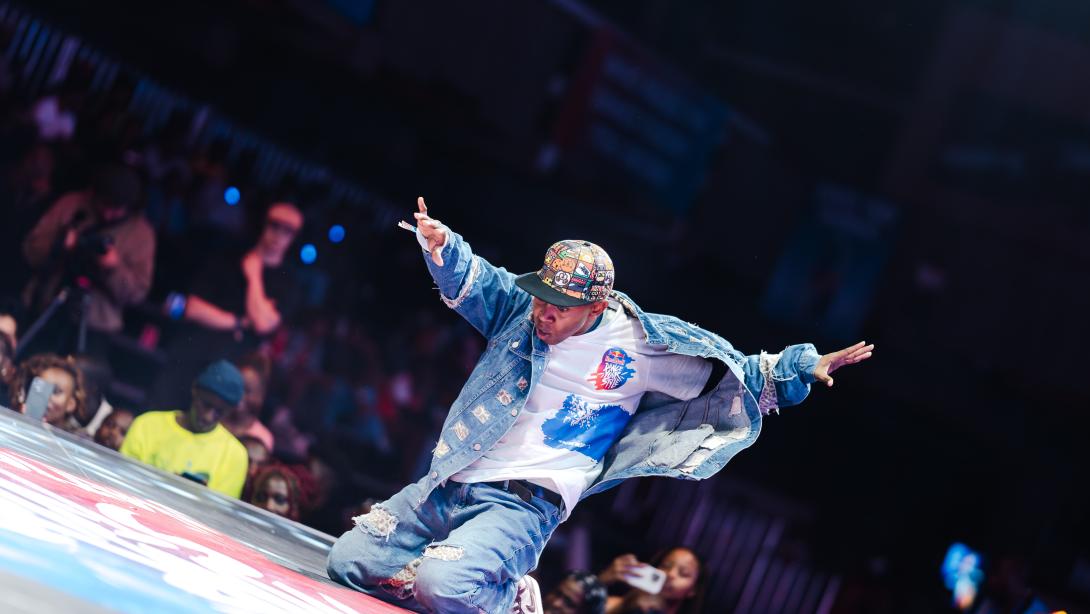
Red Bull has crowned dancer Zack The Great as the 2026 Red Bull Dance Your Style Kenya national champion after the competition’s national finals held on May 24, 2026 at the Tsavo Ballroom, Kenyatta International Convention Centre (KICC) in Nairobi, the company said in a press release dated May 25.

According to the statement, the national finals brought together 16 Kenyan street dancers in head-to-head battles, with Zack The Great winning the title after a final against first runner-up King of Smiles. The winner will represent Kenya at the Red Bull Dance Your Style World Finals in Zurich, Switzerland on October 24, 2026, where Kenya will be among 51 participating countries, Red Bull said.

The event adds to Nairobi’s growing pipeline of large-format youth and creative economy events hosted at major venues such as KICC, as brands continue to invest in live experiences tied to music, sport and cultural participation. For Kenya’s creative industry—spanning dancers, choreographers, event production crews and content creators—such competitions can create income opportunities through performances, workshops, sponsorships and digital distribution.

Zack The Great, quoted in the press release, said the title carried personal and community significance. “Being crowned the Red Bull Dance Your Style 2026 champion is something truly special. I am grateful for the support, the love from the community and the opportunity to represent something bigger than myself,” he said. He added: “Kenya is full of energy, culture and incredibly talented dancers, so being recognized among such amazing talent means a lot to me.”

He also pointed to the challenge of competing abroad. “I think the biggest challenge will be adapting to a completely new environment and atmosphere. It will be my first time competing on such a major international stage,” Zack said, adding that adjusting to the crowd and overall experience in Zurich would take time.

Red Bull said the Kenyan champion will receive an all-expenses-paid trip to Switzerland (value not disclosed). The company did not provide cost details or local economic impact estimates for the Nairobi event.

In addition to the competition battles, Red Bull said the Nairobi finals featured appearances by international dancers, including MT Pop (named as the 2024 Red Bull Dance Your Style World Champion), Luwam (identified as a finalist at the 2024 world finals), Luciano (identified as the 2025 Netherlands champion and global finalist), and Verb (identified as a two-time South Africa champion in 2022 and 2023, and a 2023 global finalist). The press release added that the visiting dancers conducted workshops for members of Kenya’s dance community while in Nairobi.

The 2026 edition was the sixth Kenyan edition of the global competition and launched in March, with qualifying rounds held in Mombasa and Nairobi before the KICC finale, according to Red Bull. The format is audience-judged: spectators vote for winners after each battle using red and blue LED wristbands, the company said. Red Bull also said all urban dance styles are accepted except break dancing, which is not included in the competition’s rules.

Looking ahead, attention will shift to preparations for the Zurich world finals in October, where Zack The Great will compete against national champions from other markets. Red Bull has not announced any further Kenya dates beyond the completed 2026 season, but the company’s statement positions the event as an ongoing annual platform within its local calendar.

Red Bull has named dancer Zack The Great as the 2026 Red Bull Dance Your Style Kenya national champion following the finals held on May 24 at KICC’s Tsavo Ballroom in Nairobi. He will represent Kenya at the world finals in Zurich, Switzerland on October 24, 2026, according to a press release dated May 25.

Samuel Njoroge wins PGK Equator Tour second leg at Thika Sports Club

Samuel Njoroge wins PGK Equator Tour second leg at Thika Sports Club

3 min read

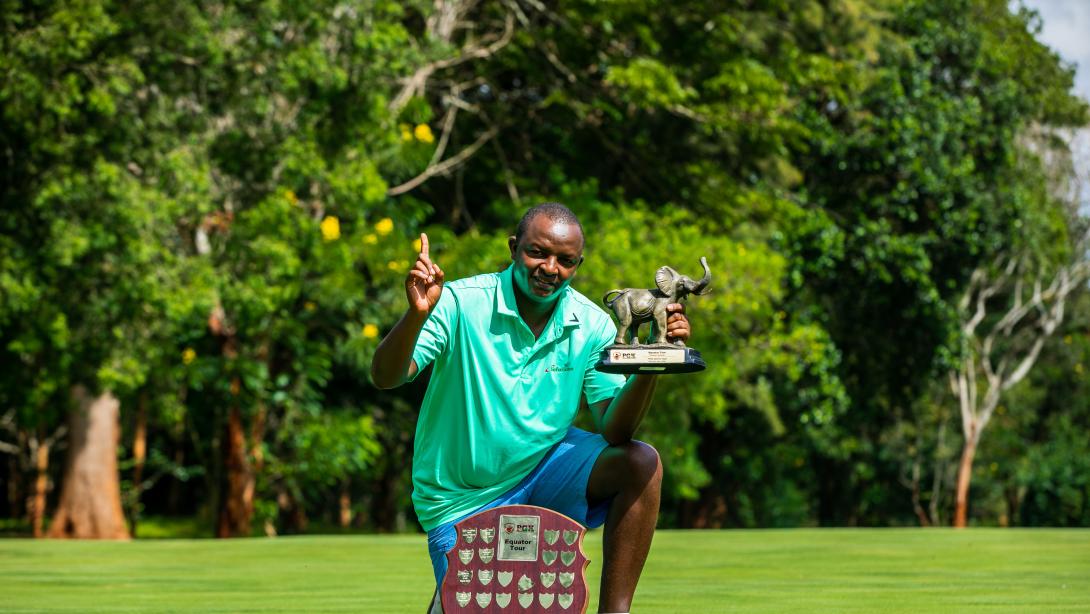
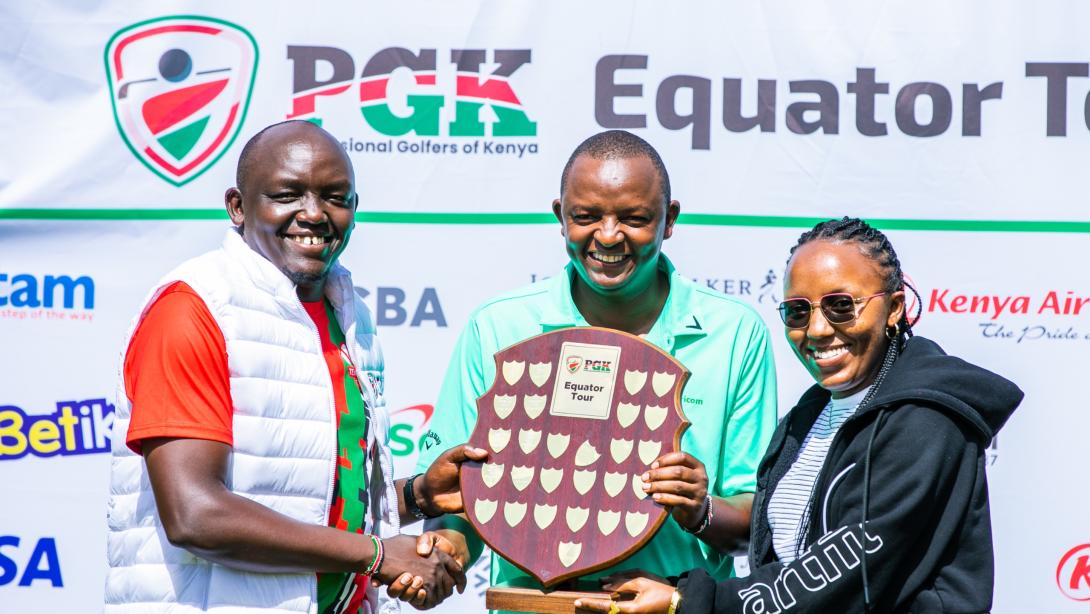
Safaricom-sponsored professional golfer Samuel Chege Njoroge has won the second leg of the PGK Equator Tour Second Edition at Thika Sports Club, finishing on 278 strokes (10 under par) after four days of competition, according to a Safaricom press release issued in Nairobi on May 25, 2026.

The release said Njoroge topped the leaderboard ahead of Dismas Indiza, who finished second on 279 strokes, while Karanga Michael placed third with 283 strokes.

The tournament is part of the Professional Golfers of Kenya (PGK) Equator Tour, a domestic series that the organisers say will be played across 11 courses countrywide this year. The circuit is positioned as a pathway for Kenyan professionals targeting appearances in higher-profile events such as the Magical Kenya Open and long-term qualification ambitions including the 2028 Olympic Games in Los Angeles, according to the same statement.

Corporate-backed sports properties have become a visible channel for brand marketing and stakeholder engagement in Kenya, particularly in golf, where participation and venues intersect with corporate and high-net-worth audiences. For listed firms such as Safaricom, sponsorships often sit alongside broader reputational and community investment programmes, even as companies seek measurable returns in visibility and engagement.

Njoroge attributed the win to consistent play across the week and said the outcome would shape his approach for upcoming events on the tour.

“I am very excited to win this tournament. The competition was tough, and every round was challenging, so I am happy with how I played throughout the week. Winning at Thika Sports Club is special to me, and this victory gives me confidence going into the next legs of the tour,” said Njoroge.

The press release also listed other top-10 finishers as Kennedy Abuto (288), Greg Snow and Edwin Mudanyi (tied on 289), John Lejirma (290), CJ Wangai (294), Mike Kisia (295) and Mohit Mediratta (296).

Safaricom said the win adds to Njoroge’s earlier performance on the series, noting that he won his first PGK Equator Tour title during the first edition at Diamonds Leisure Golf Club in Diani.

From an industry perspective, sustained corporate sponsorship of local tours can deepen the competitive calendar for professional golfers, improving earning opportunities and strengthening the pipeline for regional and international events. For Kenya’s sports business ecosystem, a more structured national circuit can also support host clubs, local suppliers and event-related hospitality spend in towns where tournaments are staged.

The organisers said attention now shifts to the third leg at Limuru Country Club. The tour is supported by corporates including Safaricom, NCBA, Betika, Kenya Airways, Visa, Britam and Johnnie Walker, according to the press release.

Safaricom-sponsored professional golfer Samuel Chege Njoroge has won the second leg of the PGK Equator Tour Second Edition at Thika Sports Club after four days of competition. He finished on 278 strokes (10 under par), edging Dismas Indiza by one stroke, according to a Safaricom press release dated May 25, 2026.

Book Bunk and Hay Festival Global conclude Nairobi Litfest 2026 in three Nairobi public libraries

Book Bunk and Hay Festival Global conclude Nairobi Litfest 2026 in three Nairobi public libraries

4 min read

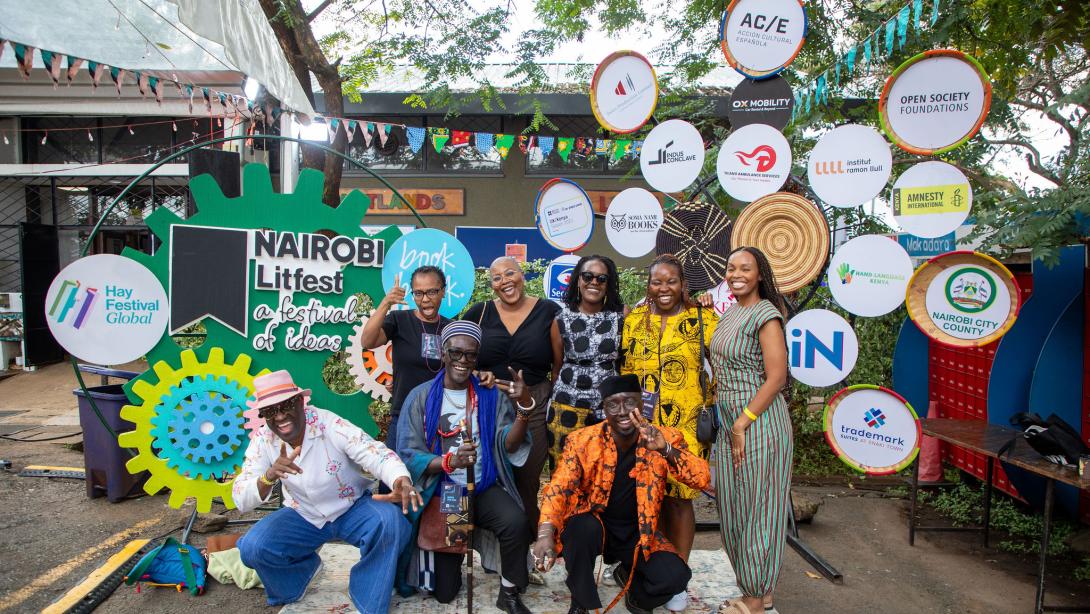
Book Bunk and Hay Festival Global have concluded the 2026 edition of Nairobi Litfest, held in Nairobi from May 8 to May 10 across McMillan Memorial Library, Kaloleni Library and Eastlands Library, according to a statement dated May 25, 2026. The organisers said the festival’s fifth edition brought together writers, artists, educators and audiences for more than 25 sessions over three days.

The event took place inside public libraries that Book Bunk has been restoring through a partnership with Nairobi City County, positioning the festival within a broader push to revive public cultural infrastructure. In its programme summary, the organisers cited masterclasses, panel discussions, performances and a children’s festival among the key formats used to engage audiences.

Organisers said highlights included a screening of the documentary How to Build a Library, which they said follows Book Bunk’s work in restoring public libraries, and a live performance by Kenyan artist Mutoriah on the second day of the festival.

The festival’s 2026 theme focused on “speculative cartography and South-to-South connections,” which the organisers said was intended to encourage audiences to rethink boundaries, imagine alternative futures and engage across disciplines and geographies.

Wanjiru Koinange, Book Bunk Co-Founder and Nairobi Litfest Co-Director, said the festival depends on collaborative effort and sustained participation. “Nairobi Litfest is a festival built by many hands and sustained by a shared belief in the power of sharing ideas. Each successful edition is a result of our guests, audiences and partners showing up for each other, for their communities and for storytelling,” Koinange said.

The organisers said Book Bunk and Hay Festival Global have partnered since 2024 to co-present Nairobi Litfest. Over the past three editions, the partners said they have hosted more than 120 writers and artists across 75 events, reaching an audience of more than 3,000 in person and online.

Julie Finch, CEO of Hay Festival Global, said the organisation intends to continue the partnership. “We are delighted with the success of Nairobi Litfest 2026 and proud to continue our partnership with Book Bunk. Together, we are creating meaningful spaces for dialogue, imagination and exchange for audiences in Nairobi and around the world,” Finch said.

Angela Wachuka, Book Bunk Co-Founder and Nairobi Litfest Co-Director, said the festival’s positioning in public libraries remains central to its identity. “Five editions in, Nairobi Litfest continues to be a place where urgent conversations about literature, art and ideas find a home inside public libraries that belong to everyone,” Wachuka said.

In its programme recap, the organisers said the 2026 edition included masterclasses in fiction writing, autobiography, poetry, curatorial practice and indie publishing led by Lina Meruane, Dr. Nick Makoha, Ellah Wakatama OBE, Ciku Kimeria, Richard Oduor Oduku and Dr. Portia Malatjie. They also cited children’s sessions featuring storytelling, music and movement, chess, puppetry and painting with Muthoni Maina, Orpah Agunda, Tunde Onakoya, Michael Mutahi and Prisca Ojwang.

The organisers said panel discussions addressed imagination, identity and social change, featuring speakers including Alain Mabanckou, Yvonne Owuor, Natasha Brown, Lesley Nneka Arimah, Safiya Sinclair, Inua Ellams and Nanjala Nyabola, alongside film and curatorial conversations with Moussa Sene Absa, Maia Lekow, Chris King, Dr. Portia Malatjie and Lola Shoneyin.

Cristina Fuentes La Roche, International Director at Hay Festival Global, said the partners view the festival as a platform connecting local and international voices. “Nairobi Litfest continues to celebrate the best of local and global literature, bringing together artists, writers and audiences in meaningful exchange,” Fuentes La Roche said.

For Kenya’s cultural and creative economy, the festival’s continued use of public libraries as venues underscores a growing business and policy conversation about investing in community-based cultural infrastructure, programming and skills development. Book Bunk’s model links restoration to programming and digitisation, which can expand access to content and create new opportunities for creators, educators and cultural organisations.

In “notes to editors,” the organisers said the 2026 collaboration between Hay Festival Global and Book Bunk was supported by the British Council as part of the UK/Kenya Season 2025, with additional main support from Open Society Foundations and Hawthornden Foundation. They also cited programming partnerships with Amnesty International Kenya, The Caine Prize for African Writing, Acción Cultural Española (AC/E), the Ramón Llull Institut and Indus Conclave.

Looking ahead, the partners indicated the collaboration will continue, building on the past three editions’ scale and international mix of participants. The organisers did not announce dates for the next edition in the statement.

Book Bunk and Hay Festival Global have concluded the fifth edition of Nairobi Litfest, held from May 8 to May 10, 2026 across McMillan Memorial Library, Kaloleni Library and Eastlands Library. Organisers said the programme featured more than 25 sessions, including masterclasses, panels, performances and a children’s festival, as the partners continue to build an international-facing literary platform anchored in public libraries.

Sprite and Safaricom fete young creators as Hook’d on Fresh awards close campaign

Sprite and Safaricom fete young creators as Hook’d on Fresh awards close campaign

4 min read

The Coca-Cola Company, through its Sprite brand in Kenya, has awarded winners of the Hook’d on Fresh user-generated content (UGC) challenge in a ceremony held in Nairobi on May 25, 2026, concluding Phase 1 of the “It’s That Fresh” campaign run in partnership with Safaricom.

According to the organisers, the campaign drew more than 1,300 verified creators from universities across the country and produced over 22 million views nationwide on TikTok and Instagram, alongside 2 million engagements, 52,592 shares and 55,910 saves.

The initiative also recognised 123 winners and allocated creator rewards worth KES 1.5 million, in addition to 600GB in data bundles “tracked for payout and fulfilment,” according to the statement.

The campaign invited young Kenyans to create and share short-form videos on TikTok and Instagram, with activations spanning campus events, creator sessions and basketball-themed experiences. The organisers said the campaign began with a Valentine’s Day event at the KICC COMESA Grounds that attracted more than 5,000 young people. They also said more than 3,000 students and creators attended the closing ceremony.

Juliana Kituma, Director, Frontline Marketing, Coca-Cola Kenya, said the campaign aimed to engage young people through the platforms and spaces where they create and socialise. “It’s That Fresh was created to meet young Kenyans where they live, play, create and express themselves,” Kituma said. She added that the campaign reflected “the incredible confidence, humour, originality and cultural influence” of young creators and that participants “shaped the campaign with their own voices.”

Safaricom linked the partnership to digital access and skills. “For Safaricom, this campaign has been about showing that connectivity is not just access to data; it is access to opportunity,” said Susan Muthoka, Youth Segment Lead, Safaricom. She said the campaign showed what could be achieved “when young people are given the tools, platforms and rewards to turn their talent into impact.”

As part of the partnership with Safaricom Hook, the companies ran the Hook’d on Fresh Masterclass Series, which the statement said was hosted by digital creators including Carrie Wahu, Tileh Pacbro, Charisma, Rono and Cluster KE. The masterclasses focused on content creation, virality, digital monetisation and audience building, the organisers said.

Performance metrics shared by the organisers showed TikTok led campaign reach with 19 million views and 1.7 million engagements, while Instagram contributed 4 million views and 500,000 engagements. The campaign platform recorded 50,000 total impressions, according to the statement.

Among the participants cited, Evans Githinji was highlighted by the organisers as one of the top performers, with more than 5.2 million video views. “For me, Hook’d on Fresh was more than a challenge, it was a chance to show my creativity and see how far one idea could go,” said Evans Githinji, a Hook’d on Fresh winner.

The campaign’s structure—combining brand-funded incentives, telco-supported data bundles and creator training—reflects a growing commercial interest in Kenya’s creator economy, where platforms such as TikTok and Instagram are increasingly used to build audiences and test monetisation models. For Safaricom, the partnership also positions youth-focused bundles and services around content creation and consumption, a segment that is competing for data spend.

Looking ahead, Sprite and Safaricom said the impact would continue beyond the awards through creators who gained new audiences and digital skills. Kituma said the organisers viewed the results as evidence of growth potential in the sector: “This campaign has shown that Kenya’s creator economy is vibrant, ambitious and ready for even bigger platforms.”

Coca-Cola’s Sprite and Safaricom have recognised 123 winners of the Hook’d on Fresh user-generated content challenge, marking the close of Phase 1 of Sprite’s “It’s That Fresh” campaign in Kenya. The companies said the programme attracted more than 1,300 verified creators and generated over 22 million views across TikTok and Instagram, alongside KES 1.5 million in rewards and 600GB in data bundles.

Samuel Njoroge wins PGK Equator Tour second leg at Thika Sports Club

Samuel Njoroge wins PGK Equator Tour second leg at Thika Sports Club

3 min read

Samuel Chege Njoroge won the second leg of the PGK Equator Tour Second Edition at Thika Sports Club on Saturday, carding 278 (10 under par) over four days to top a field of Kenyan professional golfers.

In a statement dated May 24, 2026, Njoroge was described as a Safaricom-sponsored player and was said to have delivered consistent rounds to clinch the title. Dismas Indiza finished second with 279, while Karanga Michael placed third with 283, according to the same statement.

The result adds to Njoroge’s record in the series after he won his maiden PGK Equator Tour title during the first edition at Diamonds Leisure Golf Club in Diani, the statement said.

“I am very excited to win this tournament. The competition was tough, and every round was challenging, so I am happy with how I played throughout the week. Winning at Thika Sports Club is special to me, and this victory gives me confidence going into the next legs of the tour,” Samuel Chege Njoroge said.

Other players who finished in the top ten were Kennedy Abuto (288), Greg Snow and Edwin Mudanyi (tied at 289), John Lejirma (290), CJ Wangai (294), Mike Kisia (295) and Mohit Mediratta (296), the statement said.

The PGK Equator Tour is part of Kenya’s domestic professional golf calendar and is played across multiple venues, offering tournament competition for local golfers seeking ranking points, prize earnings and visibility with sponsors. According to the statement, this year’s tour is scheduled across 11 courses around the country, with players also targeting slots tied to major events including the Magical Kenya Open and the 2028 Olympic Games in Los Angeles.

The tour’s corporate backers include Safaricom, NCBA, Betika, Kenya Airways, Visa, Britam and Johnnie Walker, the statement said. Sponsorship of local sports properties has become an increasingly important channel for brands seeking consumer engagement, while also supporting event logistics, media coverage and player development in Kenya’s sports economy.

For Safaricom, sports sponsorship sits alongside its wider brand and corporate profile as a Nairobi Securities Exchange-listed company. In the same statement’s company profile, Safaricom said it had annual revenues of KES 400 billion as at March 2026, and that M-PESA generated KES 182.7 billion in revenue as at FY26. The company also cited an estimated KES 1.1 trillion total economic value (KES 1.1 trillion; $8.5 billion) for the 12 months through March 2025 and said it supports 1.13 million jobs directly and indirectly.

Attention now shifts to Limuru Country Club, where the third leg of the tour will be staged following the conclusion of the Thika event, according to the statement. The remaining legs are expected to continue across the tour’s 11-course schedule as players build form ahead of key regional and international competitions.

Professional golfer Samuel Chege Njoroge won the second leg of the PGK Equator Tour Second Edition at Thika Sports Club after carding 278 (10 under par), according to a statement issued on Saturday. The Safaricom-sponsored player finished ahead of Dismas Indiza and Karanga Michael as the tour now shifts to Limuru Country Club for the third leg.